
Road Hazards and Car Accidents in Florida: When Dangerous Roads Lead to Serious Injuries
When most people think about car accidents, they picture distracted drivers, speeding, or reckless behavior. But not all accidents are caused by another driver. Sometimes, the real danger lies beneath the tires — in the condition of the road itself.
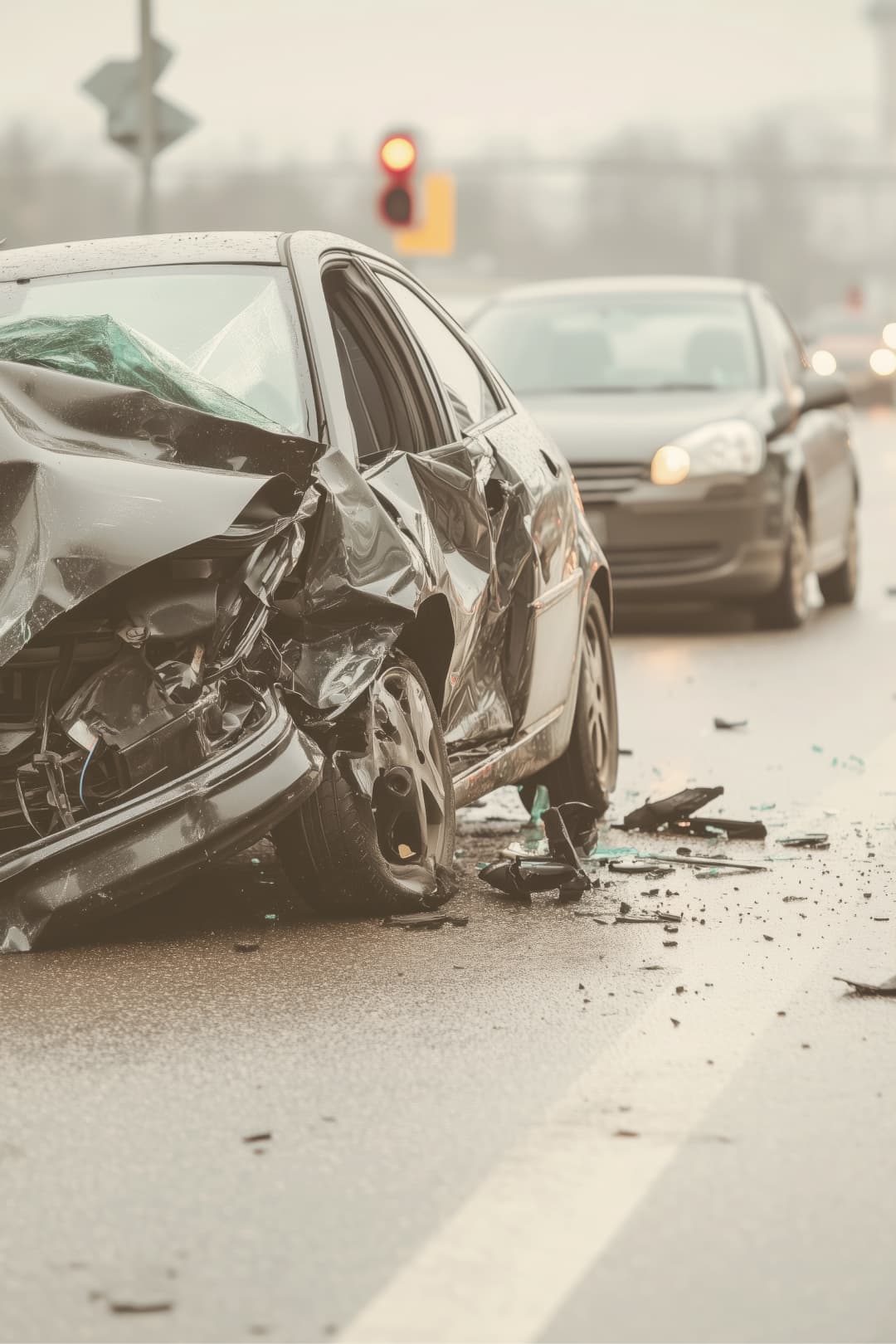
Across Florida, poorly maintained roads, hidden hazards, and unsafe infrastructure contribute to serious accidents every year. A sudden pothole, missing signage, or debris left in the roadway can cause a driver to lose control in an instant. These situations are especially dangerous because they often occur without warning, leaving little time to react.
When road conditions create unreasonable risks, the question becomes more complex: who is responsible for keeping roads safe — and what happens when they fail?
What Are Considered Road Hazards?
Road hazards are any unsafe conditions on or near the roadway that increase the risk of an accident. While some hazards are temporary and unavoidable, others result from neglect, poor maintenance, or failure to address known issues.
Common road hazards include:
- Large potholes or uneven pavement
- Loose gravel or debris in the roadway
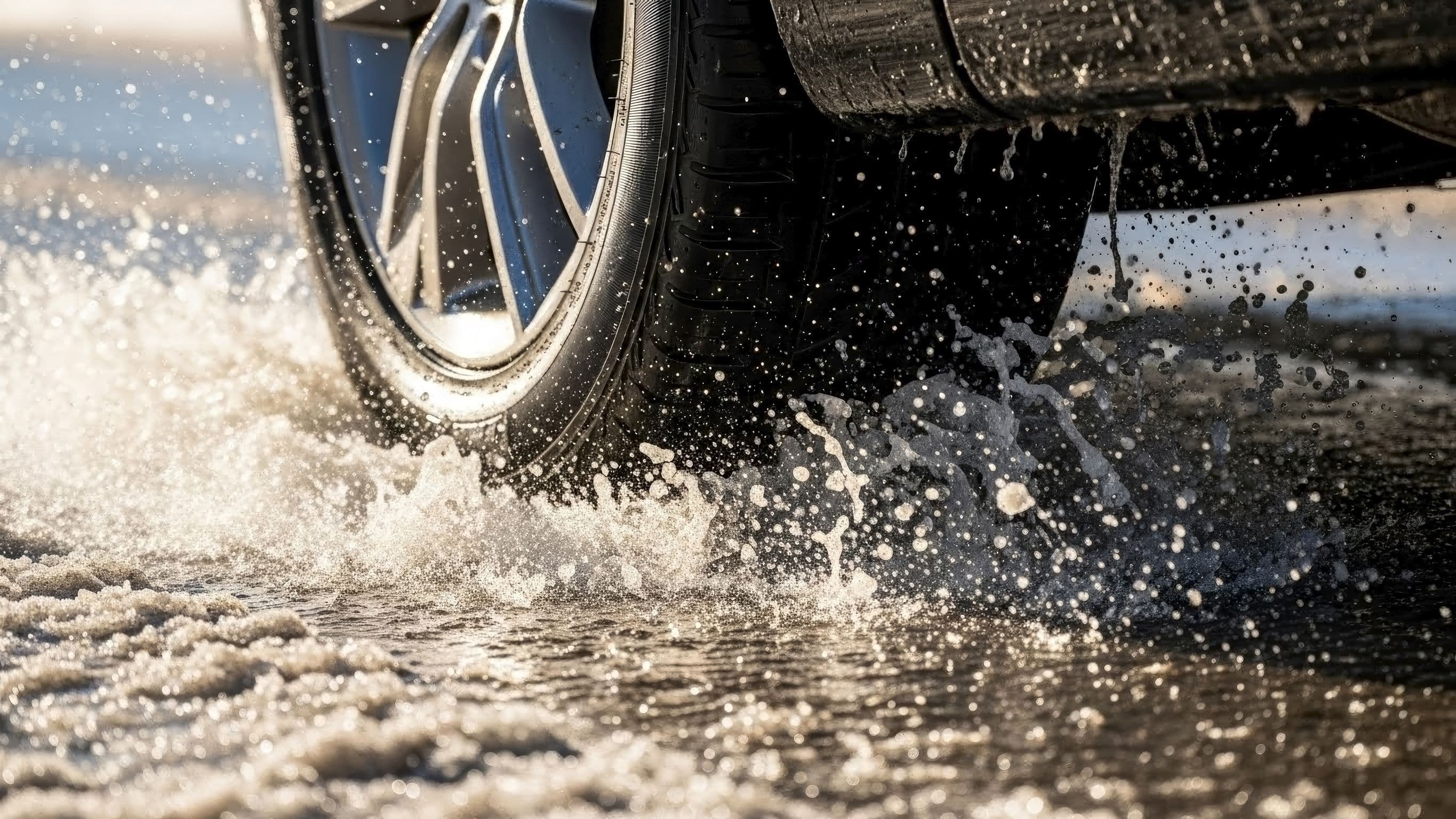
- Poor drainage leading to standing water
- Missing or damaged traffic signs
- Faded or unclear lane markings
- Malfunctioning traffic signals
- Construction zones without proper warnings
Even a relatively small hazard can cause a serious accident, especially at high speeds.
How Poor Road Conditions Lead to Accidents
Road hazards can interfere with a driver’s ability to safely control their vehicle. For example, hitting a pothole at highway speed may cause a tire blowout or sudden loss of control. Standing water can lead to hydroplaning, while debris can force drivers to swerve unexpectedly.
These situations often result in:
- Single-vehicle crashes
- Multi-vehicle collisions
- Rollovers
- Motorcycle accidents
- Bicycle accidents
Motorcyclists and cyclists are particularly vulnerable because they have less protection and are more affected by uneven surfaces.
Construction Zones and Increased Risk
Construction areas are among the most dangerous environments for drivers. While roadwork is necessary, it must be properly managed to ensure safety.
Risks in construction zones may include:
- Sudden lane shifts
- Lack of clear signage
- Uneven pavement transitions
- Construction equipment near traffic
- Inadequate lighting at night
When construction zones are not clearly marked or properly maintained, drivers may not have enough time to adjust, increasing the risk of serious accidents.
Who Is Responsible for Road Safety?
Unlike typical car accidents, road hazard cases often involve government entities or contractors rather than individual drivers.
Depending on the situation, responsible parties may include:
- City or municipal governments
- State agencies responsible for highways
- Private contractors handling road construction
- Maintenance companies hired to repair roads
These entities have a duty to regularly inspect roadways, address known hazards, and provide adequate warnings when conditions are unsafe.
Challenges in Filing Claims Against Government Entities
When a government agency is responsible for unsafe road conditions, pursuing a claim can be more complicated. Florida law includes specific procedures and limitations for claims against public entities.
Challenges may include:
- Shorter deadlines for filing claims
- Notice requirements before filing a lawsuit
- Limits on certain types of damages
- Legal defenses based on governmental immunity
Because of these complexities, early legal guidance is often important.
Injuries Common in Road Hazard Accidents
Accidents caused by road hazards can lead to serious injuries, particularly when they occur at high speeds or involve multiple vehicles.
Victims may suffer:
- Traumatic brain injuries
- Spinal cord injuries
- Broken bones
- Internal injuries
- Severe cuts or lacerations
- Long-term disabilities
In severe cases, road hazard accidents may result in wrongful death, leaving families facing emotional and financial hardship.
Proving Liability in Road Hazard Cases
To hold a government agency or contractor responsible, it must generally be shown that:
- A dangerous condition existed
- The responsible party knew or should have known about it
- They failed to repair or warn about the hazard
- The hazard directly caused the accident
Evidence may include maintenance records, inspection reports, photographs of the roadway, and witness testimony.
Timing is critical, as road conditions can change quickly after an accident.
The Financial Impact on Victims
Injuries caused by road hazard accidents can result in significant financial burdens. Victims may face:
- Emergency medical treatment
- Ongoing rehabilitation
- Lost income
- Reduced earning capacity
- Property damage
- Pain and suffering
These costs can add up quickly, especially when injuries are severe.
How Moore Payne Helps Victims of Road Hazard Accidents
At Moore Payne, we understand that accidents caused by unsafe road conditions can be especially frustrating. Victims often feel confused about who is responsible and how to pursue a claim.
Our team works to investigate road conditions, identify liable parties, and navigate the legal complexities of claims involving government entities. By gathering evidence and building strong cases, we help injured individuals throughout Orlando and across Florida seek compensation for their losses.
Taking Action After a Road Hazard Accident
If you or a loved one has been injured due to dangerous road conditions in Florida, it is important to act quickly. Preserving evidence and understanding your legal rights can make a significant difference in your case.
Moore Payne is committed to helping victims of road hazard accidents pursue accountability and obtain the compensation they need to move forward.
 contact us





 Articles
Legal Insight.
Practical Guidance.
Moore Payne Law was intentionally built to handle complex, high-stakes injury cases. We limit our caseload to ensure focused strategy, direct attorney involvement, and preparation for trial from day one.
Understanding Nursing Home Negligence: Signs and Legal Remedies
Nursing homes are meant to provide a safe and caring environment for our loved ones, but unfortunately, negligence is an all-too-common issue in many facilities.
Moore Payne Law Files Florida Class Action Against Kidde and Amazon Over Smoke Alarm Safety Claims
Moore Payne Law, in conjunction with Normand PLLC and Turnbull Injury Law, has filed a class action lawsuit in Florida against Walter Kidde Portable Equipment, Inc. and Amazon.com, Inc. over ionization-only smoke alarms that allegedly failed to adequately warn consumers about their detection limitations.
Portable Charger Explosions in Florida: When Everyday Devices Cause Serious Burn Injuries
Portable chargers and power banks can become dangerous when defective batteries overheat or explode. Learn how these accidents happen in Florida and what legal options victims may have.
Escalator Accidents in Florida: When a Routine Ride Leads to Serious Injury
Escalator accidents can cause serious injuries when equipment is poorly maintained or unsafe conditions are ignored. Learn how these incidents happen in Florida and what legal options victims may have.
Defective Space Heaters in Florida: When Everyday Appliances Cause Serious Burn Injuries
Space heaters can become dangerous when defective parts or poor safety features lead to fires and burn injuries. Learn how these accidents happen in Florida and what legal options victims may have.