

Scalding Injuries in Children: When Hot Water Becomes a Preventable Tragedy in Florida
A bath drawn with water that is far too hot. A sink faucet that releases scalding water without warning. A cup of soup served at a dangerously high temperature in a restaurant. A daycare facility that fails to regulate water heaters properly.
Scalding injuries are among the most common causes of serious burn injuries in children — and many of them are entirely preventable. In Florida, when excessive water temperature or unsafe conditions lead to severe burns, property owners, landlords, businesses, or product manufacturers may bear legal responsibility.
What makes these cases especially heartbreaking is how quickly they unfold — and how long the consequences can last.
Why Children Are Especially Vulnerable to Scalding Injuries
Children’s skin is significantly thinner and more sensitive than adult skin. Water that might cause mild discomfort to an adult can cause severe burns to a child in a matter of seconds.
Medical research shows that water heated to 140°F can cause a third-degree burn in as little as five seconds. At 150°F, severe burns can occur almost instantly.
Young children are particularly at risk because they:
- Have limited ability to react quickly
- May not understand danger
- Cannot regulate water temperature themselves
- Are often dependent on adults for supervision
Because of this vulnerability, safety standards around water temperature are especially important in places where children live or visit.
Where Scalding Accidents Commonly Occur
Scalding injuries can happen in many everyday environments, including:
- Apartment complexes with improperly regulated water heaters
- Hotels and short-term rentals
- Restaurants serving excessively hot beverages or soups
- Daycare facilities
- Schools
- Private homes with faulty plumbing systems
In multi-unit residential buildings, centralized water heating systems may affect dozens of families. If the temperature is set too high, every tenant could be at risk.
Common Causes of Hot Water Burn Injuries
Scalding incidents often stem from negligence rather than unavoidable accidents. Some common contributing factors include:
- Water heaters set above recommended safety levels
- Malfunctioning thermostats
- Lack of anti-scald devices
- Failure to install pressure-balancing valves
- Broken or improperly maintained plumbing systems
- Lack of warning signs in commercial settings
Florida landlords and property owners have a duty to maintain reasonably safe premises. That includes ensuring that plumbing systems do not expose tenants to unreasonable danger.
The Severity of Scald Burns in Children
Scalding injuries frequently result in second- or third-degree burns. These burns can cause:
- Blistering and severe pain
- Permanent scarring
- Disfigurement
- Infection
- Nerve damage
- The need for skin grafts
- Long-term emotional trauma
Burn injuries on visible areas such as the face, chest, or arms can have lifelong psychological consequences, particularly for children growing up with permanent scars.
Emotional and Psychological Impact
The physical pain of a burn injury is only part of the story. Children who suffer severe scalding injuries may experience:
- Anxiety around water
- Sleep disturbances
- Fear of bathrooms or kitchens
- Social insecurity related to scarring
- Long-term self-esteem challenges
For parents, the emotional toll is immense. Many struggle with guilt, anger, and frustration — especially if the injury could have been prevented by proper safety measures.
When Landlords May Be Held Responsible
In Florida, landlords must maintain rental properties in compliance with health and safety standards. If a landlord fails to:
- Properly regulate water heater temperatures
- Repair known plumbing issues
- Respond to tenant complaints
- Install required safety devices
and a child suffers a scalding injury as a result, liability may arise.
Evidence in these cases may include maintenance records, temperature readings, inspection reports, and documentation of prior complaints.
Product Liability in Scalding Cases
In some situations, the issue is not property maintenance but a defective product. Water heaters, thermostats, or plumbing components may malfunction due to design or manufacturing defects.
When a product fails to regulate temperature properly or lacks adequate safety features, the manufacturer may be responsible under Florida product liability law.
These cases often require technical investigation and expert analysis.
Financial Consequences for Families
Serious burn injuries often lead to significant financial burdens, including:
- Emergency medical treatment
- Hospitalization in specialized burn units
- Multiple surgeries
- Physical therapy
- Scar revision procedures
- Counseling or psychological support
Families may also face time away from work and long-term medical monitoring.
When negligence caused the injury, compensation may be available to help ease these burdens.
Why Early Investigation Matters
In scalding injury cases, evidence can disappear quickly. Water heater settings may be changed, plumbing systems repaired, or products replaced.
Prompt legal action allows for:
- Inspection of the water system
- Preservation of defective equipment
- Documentation of temperature levels
- Collection of maintenance records
The sooner an investigation begins, the stronger the case may be.
How Moore Payne Supports Families After Serious Burn Injuries
At Moore Payne, we understand that child injury cases require both legal precision and compassion. When a preventable scalding injury occurs, families deserve answers.
Our team works to:
- Investigate unsafe property conditions
- Examine potential product defects
- Consult burn and safety experts
- Calculate long-term medical and emotional damages
- Pursue accountability for negligent parties
We are committed to helping families across Orlando and throughout Florida seek justice when preventable burn injuries occur.
Taking Action After a Child’s Scalding Injury
If your child suffered a serious burn due to excessively hot water in an apartment, hotel, daycare, or other property in Florida, you may have legal options.
These cases are often preventable — and accountability matters.
Moore Payne stands ready to help families pursue the compensation and justice they deserve after a devastating scalding injury.
 contact us






 Articles
Legal Insight.
Practical Guidance.
Moore Payne Law was intentionally built to handle complex, high-stakes injury cases. We limit our caseload to ensure focused strategy, direct attorney involvement, and preparation for trial from day one.
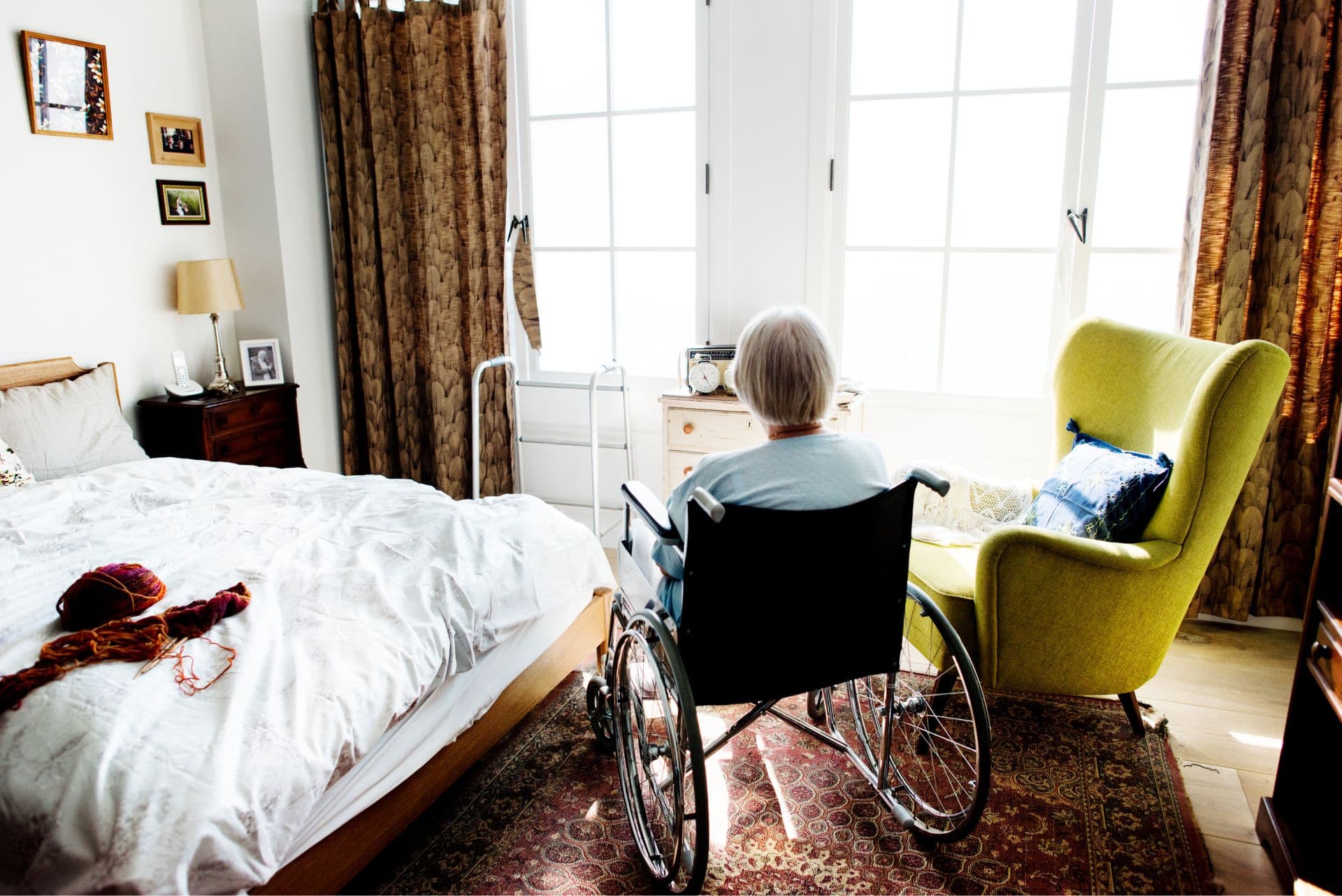
Understanding Nursing Home Negligence: Signs and Legal Remedies
Nursing homes are meant to provide a safe and caring environment for our loved ones, but unfortunately, negligence is an all-too-common issue in many facilities.
Moore Payne Law Files Florida Class Action Against Kidde and Amazon Over Smoke Alarm Safety Claims
Moore Payne Law, in conjunction with Normand PLLC and Turnbull Injury Law, has filed a class action lawsuit in Florida against Walter Kidde Portable Equipment, Inc. and Amazon.com, Inc. over ionization-only smoke alarms that allegedly failed to adequately warn consumers about their detection limitations.
Portable Charger Explosions in Florida: When Everyday Devices Cause Serious Burn Injuries
Portable chargers and power banks can become dangerous when defective batteries overheat or explode. Learn how these accidents happen in Florida and what legal options victims may have.
Escalator Accidents in Florida: When a Routine Ride Leads to Serious Injury
Escalator accidents can cause serious injuries when equipment is poorly maintained or unsafe conditions are ignored. Learn how these incidents happen in Florida and what legal options victims may have.
Defective Space Heaters in Florida: When Everyday Appliances Cause Serious Burn Injuries
Space heaters can become dangerous when defective parts or poor safety features lead to fires and burn injuries. Learn how these accidents happen in Florida and what legal options victims may have.