
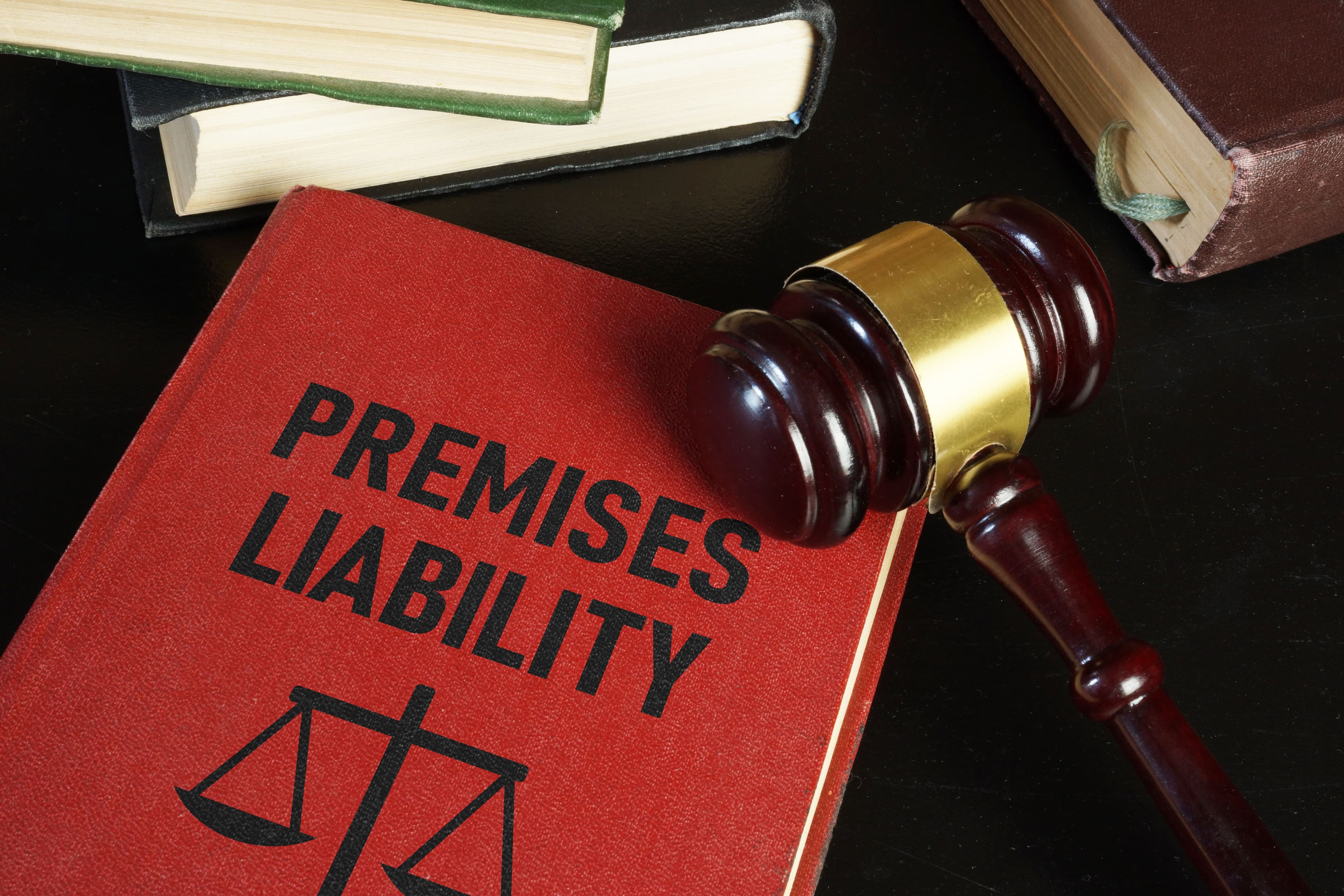
The Hidden Dangers of Vacation Rentals in Florida: What Guests Need to Know About Premises Liability
Florida is one of the most popular vacation destinations in the United States, drawing millions of travelers each year to cities like Orlando, Miami, Tampa, and the Gulf Coast. With the rise of Airbnb, VRBO, and private vacation home rentals, more visitors than ever are choosing these convenient lodging options.
But while vacation rentals may offer privacy and comfort, they can also pose serious safety risks when property owners fail to maintain safe conditions. Injuries at vacation rentals are surprisingly common — and many guests have no idea that they have legal rights when negligence is involved.
At Moore Payne Law, Attorneys Geoff Moore and Spencer Payne help injured guests hold negligent property owners, managers, and rental platforms accountable. Whether the injury happens at a beachfront condo, a pool home near Disney, or a high-rise rental downtown, injured guests deserve answers, justice, and compensation.
Understanding Premises Liability in Florida Vacation Rentals
Premises liability refers to the legal responsibility property owners have to keep their premises reasonably safe for visitors, including paying guests.
This duty applies to:
- Airbnb hosts
- VRBO property owners
- Property management companies
- Landlords renting homes short-term
- Condominium associations responsible for common areas
When these parties fail to fix hazards or warn guests about dangerous conditions, they can be held liable for resulting injuries.
Common Causes of Injuries in Florida Vacation Rentals
Because vacation rentals often change occupants frequently, safety issues can go unnoticed — or ignored — for months. Some of the most common hazards include:
1. Slip and Fall Hazards
- Wet tile around pools
- Slippery decks and docks
- Loose carpeting or rugs
- Unmarked steps or uneven floors
Florida’s frequent rain and humidity can make surfaces even more dangerous.
2. Defective or Dangerous Pools
Florida vacation homes often feature private pools — a top attraction but also a major source of injuries.
Common issues include:
- Broken pool gates or locks
- Missing safety fencing (required in Florida)
- Malfunctioning pool lights or drains
- Unsecured pool chemicals
3. Faulty Stairways and Balconies
Many injuries occur due to:
- Weak handrails
- Broken steps
- Rotted wood decking
- Balcony collapses in older beach properties
4. Inadequate Security
When a rental is located in a high-crime area and lacks proper locks, lighting, or alarms, guests may become victims of assault or robbery.
5. Unsafe Furniture or Appliances
- Collapsing outdoor chairs
- Falling TVs or wall art
- Faulty grills or ovens
- Dangerous electrical wiring
These issues are preventable with proper inspections, but many rental owners fail to perform them.
6. Mold, Allergens, and Indoor Contaminants
Florida’s climate creates prime conditions for mold growth — which can cause respiratory illness, headaches, and infections.
Who Is Legally Responsible After a Vacation Rental Injury?
Liability depends on the circumstances, but potential responsible parties include:
1. The Property Owner
They have a duty to ensure the home is safe, well-maintained, and compliant with Florida safety laws.
2. Property Management Companies
If hired to oversee cleaning, repairs, or inspections, they may be responsible for unsafe conditions.
3. Rental Platforms (Airbnb, VRBO)
While these companies often claim limited liability, they may still share responsibility under certain conditions — especially when negligent hosts remain active on the platform despite complaints.
4. Condominium or Homeowners’ Associations
If an injury occurs in a shared area — pools, elevators, walkways — the association may be liable.
Moore Payne Law investigates every angle to uncover who failed in their responsibility to keep guests safe.
Types of Injuries Commonly Suffered at Vacation Rentals
A relaxing vacation can quickly turn into a medical emergency when negligence is involved. Common injuries include:
- Broken bones and fractures
- Head injuries or traumatic brain injuries (TBI)
- Spinal cord injuries from falls
- Near-drowning or drowning incidents
- Burns from faulty grills or appliances
- Electrocution from unsafe wiring
- Cuts, infections, or chemical exposure
- Carbon monoxide poisoning
Some injuries require long-term care, rehabilitation, or cause permanent disability — drastically impacting the victim’s life.
Compensation Available to Injured Vacation Rental Guests
Victims may be entitled to compensation for:
- Medical expenses (current and future)
- Lost wages and reduced earning capacity
- Pain and suffering
- Permanent disability or disfigurement
- Emotional distress
- Rehabilitation costs
- Wrongful death damages (when applicable)
Moore Payne Law fights to ensure victims receive full compensation — not the minimum amount offered by insurance companies.
How Moore Payne Law Helps Victims of Vacation Rental Negligence
Attorneys Geoff Moore and Spencer Payne bring extensive experience in premises liability, catastrophic injury, and complex litigation. Their approach includes:
- Immediate investigation of property conditions
- Inspection of safety compliance, including Florida’s pool safety laws
- Interviews with witnesses, cleaners, and property managers
- Review of prior complaints or safety violations
- Collaboration with experts, such as engineers and safety specialists
- Aggressive negotiation with insurers
- Trial-ready preparation when owners refuse responsibility
Their dedication ensures every client receives personalized representation and powerful advocacy.
What to Do If You’re Injured at a Florida Vacation Rental
If an accident happens, these steps can protect your health and strengthen your claim:
- Seek medical attention immediately
- Take photos and videos of the hazard and injuries
- Report the incident to the host and the rental platform
- Collect witness statements
- Save all messages with the host or property manager
- Do not give a statement to insurance companies
- Contact Moore Payne Law for a free consultation
The sooner evidence is preserved, the stronger the case.
Moore Payne Law: Protecting Florida Travelers and Residents
Whether you’re a tourist visiting Orlando or a Florida family enjoying a beach getaway, you deserve a safe vacation rental. When negligence puts guests at risk, Moore Payne Law stands ready to fight for justice.
Attorneys Geoff Moore and Spencer Payne work tirelessly to hold property owners and corporations accountable — ensuring victims receive the compensation and closure they deserve.
 contact us






 Articles
Legal Insight.
Practical Guidance.
Moore Payne Law was intentionally built to handle complex, high-stakes injury cases. We limit our caseload to ensure focused strategy, direct attorney involvement, and preparation for trial from day one.
Understanding Nursing Home Negligence: Signs and Legal Remedies
Nursing homes are meant to provide a safe and caring environment for our loved ones, but unfortunately, negligence is an all-too-common issue in many facilities.
Moore Payne Law Files Florida Class Action Against Kidde and Amazon Over Smoke Alarm Safety Claims
Moore Payne Law, in conjunction with Normand PLLC and Turnbull Injury Law, has filed a class action lawsuit in Florida against Walter Kidde Portable Equipment, Inc. and Amazon.com, Inc. over ionization-only smoke alarms that allegedly failed to adequately warn consumers about their detection limitations.
Portable Charger Explosions in Florida: When Everyday Devices Cause Serious Burn Injuries
Portable chargers and power banks can become dangerous when defective batteries overheat or explode. Learn how these accidents happen in Florida and what legal options victims may have.
Escalator Accidents in Florida: When a Routine Ride Leads to Serious Injury
Escalator accidents can cause serious injuries when equipment is poorly maintained or unsafe conditions are ignored. Learn how these incidents happen in Florida and what legal options victims may have.
Defective Space Heaters in Florida: When Everyday Appliances Cause Serious Burn Injuries
Space heaters can become dangerous when defective parts or poor safety features lead to fires and burn injuries. Learn how these accidents happen in Florida and what legal options victims may have.