
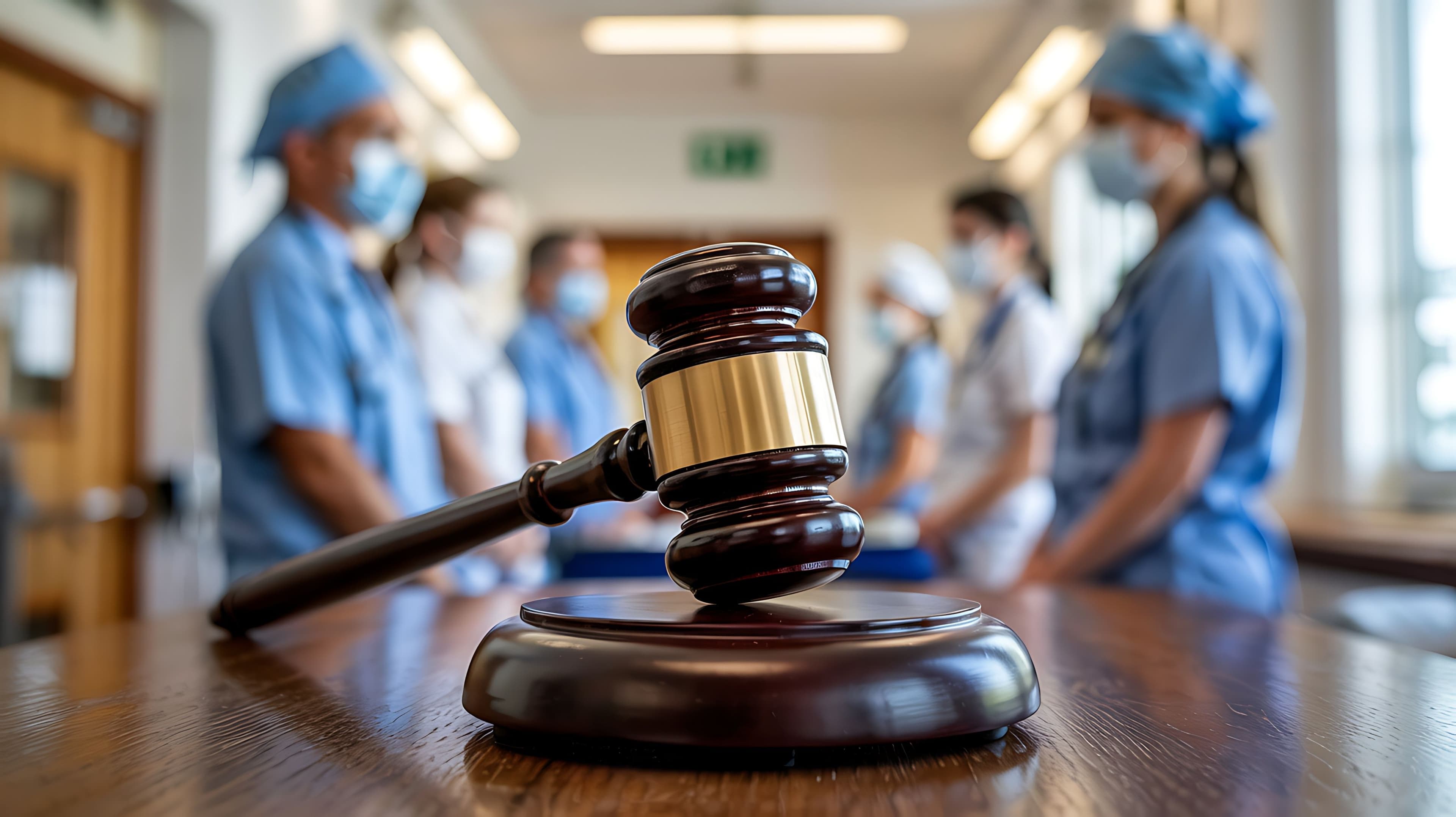
When Medical Care Causes Harm: Understanding Medical Malpractice Claims in Florida
Most people seek medical care with one simple expectation: to get better. Patients trust doctors, nurses, and healthcare facilities to provide competent, attentive, and professional treatment. Unfortunately, that trust is sometimes broken. Medical malpractice occurs when a healthcare provider’s negligence causes serious injury or death, leaving patients and families to deal with devastating consequences.
In Florida, medical malpractice cases are among the most complex personal injury claims. They often involve severe injuries, long-term medical needs, and emotional trauma — all while victims are left wondering how a place meant to heal became the source of harm.
What Is Medical Malpractice Under Florida Law?
Medical malpractice is not simply a bad outcome or an unsuccessful treatment. Under Florida law, malpractice occurs when a healthcare provider fails to meet the accepted standard of care, and that failure directly causes injury to the patient.
The standard of care refers to what a reasonably competent medical professional would have done under similar circumstances. When that standard is violated, negligence may exist.
To establish a medical malpractice claim, it must generally be shown that:
- A doctor-patient relationship existed
- The provider owed a duty of care
- That duty was breached through negligence
- The breach directly caused injury
- The injury resulted in damages
These cases often require expert testimony and detailed medical analysis.
Common Types of Medical Malpractice Cases
Medical errors can happen in many forms, and some are far more common than people realize. Frequently encountered malpractice cases in Florida include:
- Misdiagnosis or delayed diagnosis, such as failing to identify cancer or internal injuries
- Surgical errors, including operating on the wrong body part or leaving surgical instruments behind
- Medication errors, such as incorrect dosages or dangerous drug interactions
- Birth injuries, affecting both mother and child
- Anesthesia mistakes, leading to brain damage or death
- Failure to monitor patients, especially after surgery or during critical care
Even what may seem like a small mistake can lead to catastrophic outcomes.
The Real Impact of Medical Negligence
Medical malpractice injuries often extend far beyond physical pain. Victims may face lifelong consequences that disrupt every aspect of their lives.
Common long-term effects include:
- Permanent disability or disfigurement
- Chronic pain and mobility limitations
- Brain and spine injuries
- Emotional distress, anxiety, or depression
- Loss of independence
- Inability to return to work or earn income
For families, the emotional toll can be overwhelming, especially when malpractice results in wrongful death.
Medical Malpractice and Wrongful Death
In the most tragic cases, medical negligence leads to the loss of a loved one. Wrongful death caused by malpractice may involve:
- Failure to diagnose a life-threatening condition
- Surgical complications that were preventable
- Medication overdoses
- Inadequate emergency care
- Failure to act on critical test results
Florida’s wrongful death laws allow surviving family members to seek compensation for both financial and emotional losses. These cases require swift action and careful legal handling.
Why Medical Malpractice Cases Are Especially Complex
Medical malpractice claims differ significantly from other injury cases. They are often challenging because:
- Hospitals and insurers strongly defend these claims
- Medical records can be extensive and technical
- Expert witnesses are required to establish negligence
- Strict procedural rules and deadlines apply
Florida law imposes specific pre-suit requirements, including medical reviews and formal notices, making experienced legal guidance essential.
Compensation Available in Medical Malpractice Claims
Victims of medical malpractice may be entitled to compensation for a wide range of damages, depending on the severity of the injury.
Potential compensation may include:
- Past and future medical expenses
- Rehabilitation and long-term care costs
- Lost wages and reduced earning capacity
- Pain and suffering
- Emotional distress
- Loss of quality of life
In wrongful death cases, families may also recover funeral expenses and loss of companionship.
How Medical Malpractice Affects Vulnerable Patients
Certain patients are especially vulnerable to medical negligence, including:
- Elderly individuals in hospitals or nursing homes
- Patients with complex or chronic conditions
- Children and newborns
- Individuals undergoing emergency treatment
When healthcare providers rush, overlook details, or fail to communicate properly, the consequences can be devastating for these populations.
How Moore Payne Advocates for Injured Patients
At Moore Payne, we understand that pursuing a medical malpractice claim can feel intimidating, especially when patients are already dealing with pain and uncertainty. Our team focuses on guiding clients through every step of the process with clarity and compassion.
We approach medical malpractice cases by:
- Conducting in-depth reviews of medical records
- Consulting qualified medical experts
- Identifying deviations from the standard of care
- Calculating the full scope of long-term damages
- Aggressively pursuing accountability
Our goal is to help injured patients and families find answers, closure, and financial security.
Taking Action After Medical Negligence
If you believe you or a loved one was harmed by medical negligence, it is important not to ignore the signs or delay action. Medical malpractice cases are time-sensitive, and early investigation can make a critical difference.
Moore Payne is committed to standing with injured patients across Orlando and throughout Florida, helping them seek justice when medical care causes harm.
 contact us






 Articles
Legal Insight.
Practical Guidance.
Moore Payne Law was intentionally built to handle complex, high-stakes injury cases. We limit our caseload to ensure focused strategy, direct attorney involvement, and preparation for trial from day one.
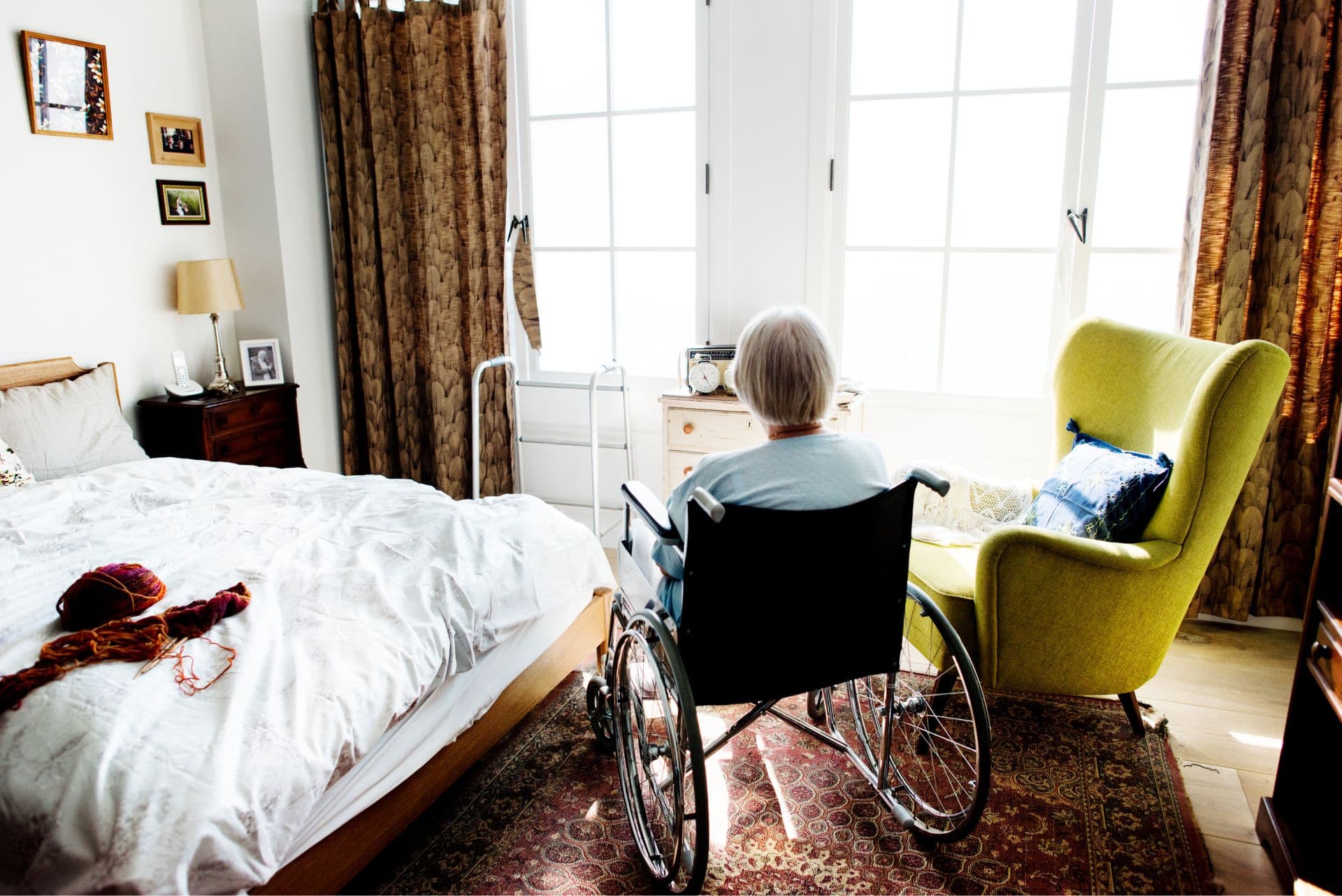
Understanding Nursing Home Negligence: Signs and Legal Remedies
Nursing homes are meant to provide a safe and caring environment for our loved ones, but unfortunately, negligence is an all-too-common issue in many facilities.
Moore Payne Law Files Florida Class Action Against Kidde and Amazon Over Smoke Alarm Safety Claims
Moore Payne Law, in conjunction with Normand PLLC and Turnbull Injury Law, has filed a class action lawsuit in Florida against Walter Kidde Portable Equipment, Inc. and Amazon.com, Inc. over ionization-only smoke alarms that allegedly failed to adequately warn consumers about their detection limitations.
Portable Charger Explosions in Florida: When Everyday Devices Cause Serious Burn Injuries
Portable chargers and power banks can become dangerous when defective batteries overheat or explode. Learn how these accidents happen in Florida and what legal options victims may have.
Escalator Accidents in Florida: When a Routine Ride Leads to Serious Injury
Escalator accidents can cause serious injuries when equipment is poorly maintained or unsafe conditions are ignored. Learn how these incidents happen in Florida and what legal options victims may have.
Defective Space Heaters in Florida: When Everyday Appliances Cause Serious Burn Injuries
Space heaters can become dangerous when defective parts or poor safety features lead to fires and burn injuries. Learn how these accidents happen in Florida and what legal options victims may have.