
When Medical Devices Fail: Understanding Defective Medical Device Injuries in Florida
Medical technology has transformed modern healthcare. Devices such as implants, pacemakers, surgical tools, and joint replacements help millions of people live longer and healthier lives. Patients trust that these products have been properly tested and approved before reaching hospitals and operating rooms.
But when a medical device is defective, that trust can be shattered. Instead of improving a patient’s health, the device may cause serious complications, additional surgeries, or permanent injury.
In Florida and across the United States, defective medical devices have led to thousands of injuries and product liability claims. When manufacturers rush products to market or fail to warn doctors and patients about risks, the consequences can be life-changing.
What Is a Defective Medical Device?
A defective medical device is one that poses an unreasonable risk to patients due to a problem with its design, manufacturing process, or safety warnings. These devices may fail unexpectedly or cause complications that were never properly disclosed.
Product liability claims involving medical devices typically fall into three categories:
- Design defects, where the device itself is inherently unsafe
- Manufacturing defects, caused by errors during production
- Failure to warn, when manufacturers do not properly disclose known risks
In some cases, patients may not realize the device is defective until months or even years after implantation.
Common Types of Defective Medical Devices
Many types of medical devices have been linked to injury claims over the years. Some of the most frequently reported devices include:
- Hip and knee replacement implants
- Hernia mesh products
- Surgical staplers
- Pacemakers and defibrillators
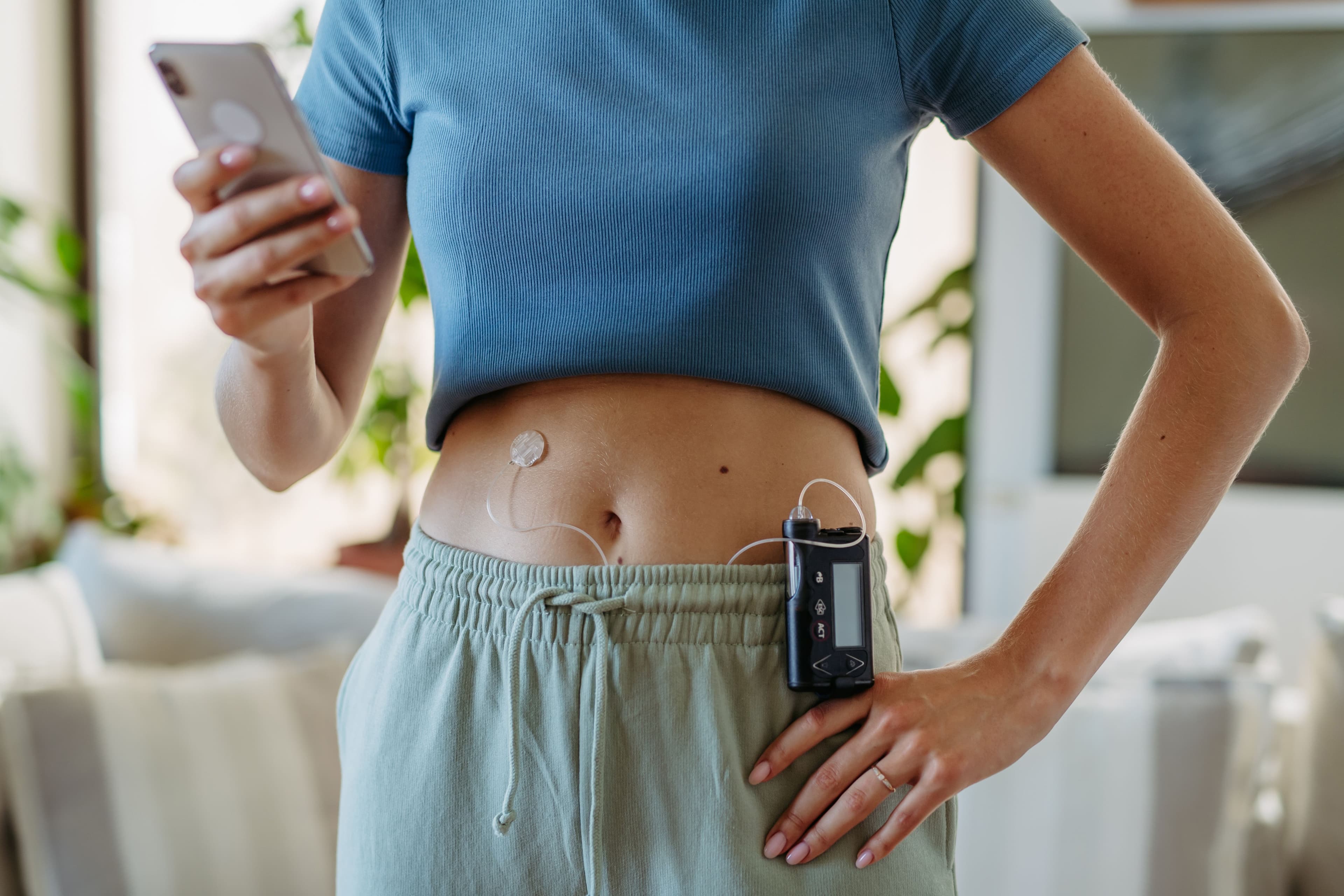
- Insulin pumps
- Transvaginal mesh devices
- Catheters and surgical implants
While these devices are designed to improve patient health, defects can cause serious complications that require additional treatment.
Injuries Caused by Defective Medical Devices
When a medical device fails, the resulting injuries can be severe and sometimes permanent. Patients may experience complications such as infection, internal bleeding, organ damage, or device migration within the body.
Common injuries associated with defective medical devices include:
- Chronic pain
- Tissue damage
- Internal organ injuries
- Nerve damage
- Blood clots
- Implant failure requiring revision surgery
In some cases, defective devices have led to life-threatening complications or wrongful death.
Why Defective Medical Device Cases Are Complex
Medical device cases often involve complicated medical and technical evidence. Unlike many other injury claims, these cases require careful analysis of how the device was designed, manufactured, and approved for use.
Several factors may influence a case, including:
- Medical device testing and approval processes
- Manufacturer safety reports
- Physician warnings and instructions
- Clinical trial data
Expert testimony from medical professionals and engineering specialists is often necessary to determine whether the device was defective.
The Role of the FDA
In the United States, the Food and Drug Administration (FDA) regulates medical devices before they reach the market. However, not all devices go through the same level of testing.
Some devices are approved through a faster process known as the 510(k) pathway, which allows manufacturers to bring products to market if they are considered similar to existing devices. Critics argue that this system can allow defective products to reach patients before long-term risks are fully understood.
Even when a device receives FDA clearance, manufacturers may still be held responsible if the product proves unsafe.
Who May Be Held Liable?
In defective medical device cases, liability often extends beyond the hospital where the device was used. Potentially responsible parties may include:
- The medical device manufacturer
- Designers or engineers responsible for the product
- Distributors or suppliers
- Companies responsible for product testing
In some situations, healthcare providers may also share responsibility if the device was used improperly or if patients were not adequately informed of the risks.
The Impact on Patients and Families
The consequences of a defective medical device can be devastating. Patients who expected a procedure to improve their health may instead face additional surgeries, ongoing medical complications, and long-term pain.
Beyond physical suffering, victims may experience financial burdens related to medical bills, lost wages, and extended recovery periods. The emotional toll can also be significant, particularly when trust in the healthcare system is broken.
Compensation Available for Victims
Patients injured by defective medical devices may be entitled to compensation for various damages, including:
- Medical expenses
- Future medical treatment
- Lost income
- Reduced earning capacity
- Pain and suffering
- Emotional distress
Each case is unique, and the amount of compensation depends on the severity of the injury and the extent of the negligence involved.
How Moore Payne Helps Victims of Defective Medical Devices
At Moore Payne, we understand how overwhelming it can be to discover that a medical device intended to improve your health has caused serious harm. These cases often involve large manufacturers with significant legal resources, making experienced legal representation essential.
Our team works to investigate the defect, review medical records, consult experts, and pursue compensation for injured patients throughout Orlando and across Florida. By carefully building each case, we aim to hold negligent manufacturers accountable and help victims move forward.
Taking the Next Step After a Defective Medical Device Injury
If you or a loved one has suffered complications due to a defective medical device, you may have legal options. Acting promptly can help preserve evidence and ensure that your rights are protected.
Moore Payne is committed to helping individuals injured by defective medical devices seek justice and secure the compensation they need to recover.
 contact us







 Articles
Legal Insight.
Practical Guidance.
Moore Payne Law was intentionally built to handle complex, high-stakes injury cases. We limit our caseload to ensure focused strategy, direct attorney involvement, and preparation for trial from day one.

Understanding Nursing Home Negligence: Signs and Legal Remedies
Nursing homes are meant to provide a safe and caring environment for our loved ones, but unfortunately, negligence is an all-too-common issue in many facilities.
Moore Payne Law Files Florida Class Action Against Kidde and Amazon Over Smoke Alarm Safety Claims
Moore Payne Law, in conjunction with Normand PLLC and Turnbull Injury Law, has filed a class action lawsuit in Florida against Walter Kidde Portable Equipment, Inc. and Amazon.com, Inc. over ionization-only smoke alarms that allegedly failed to adequately warn consumers about their detection limitations.
Portable Charger Explosions in Florida: When Everyday Devices Cause Serious Burn Injuries
Portable chargers and power banks can become dangerous when defective batteries overheat or explode. Learn how these accidents happen in Florida and what legal options victims may have.
Escalator Accidents in Florida: When a Routine Ride Leads to Serious Injury
Escalator accidents can cause serious injuries when equipment is poorly maintained or unsafe conditions are ignored. Learn how these incidents happen in Florida and what legal options victims may have.
Defective Space Heaters in Florida: When Everyday Appliances Cause Serious Burn Injuries
Space heaters can become dangerous when defective parts or poor safety features lead to fires and burn injuries. Learn how these accidents happen in Florida and what legal options victims may have.