
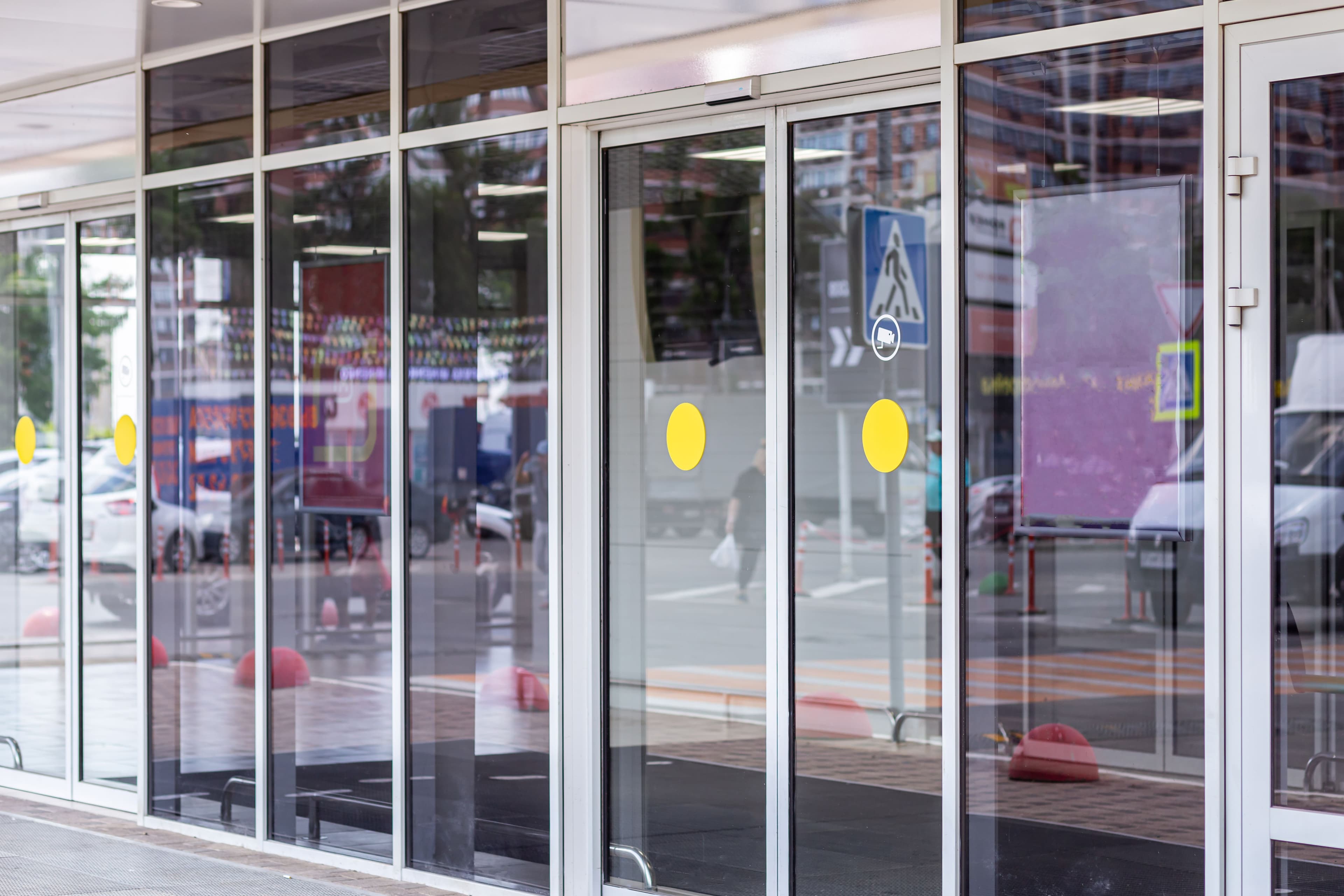
Automatic Door Accidents in Florida: When Everyday Entrances Become Unexpected Hazards
You walk toward the entrance of a store, a hospital, or a hotel. The doors slide open automatically — just as expected. It’s something most people experience multiple times a day without giving it a second thought.
But what happens when those doors don’t work properly?
Instead of opening smoothly, they hesitate. Or worse — they close too quickly. They fail to detect someone walking through. They strike a person, trap an arm, or cause someone to lose balance and fall.
Automatic doors are designed for convenience and accessibility. Yet when they malfunction, they can become a serious and unexpected hazard. In Florida, these incidents may lead to injuries that are not only painful but also legally significant — especially when they could have been prevented through proper maintenance and inspection.
How Automatic Door Accidents Happen
Automatic doors rely on sensors, timing mechanisms, and mechanical components to function safely. When any of these systems fail, the risk of injury increases.
Some of the most common causes of automatic door accidents include:
- Malfunctioning motion sensors that fail to detect people
- Doors closing too quickly or with excessive force
- Delayed opening mechanisms
- Electrical or mechanical failures
- Lack of routine maintenance
- Improper installation or calibration
In many cases, these issues do not appear suddenly. They develop over time — and often go unaddressed until someone gets hurt.
Why These Accidents Are More Dangerous Than They Seem
At first glance, an automatic door may not seem like a serious threat. But the reality is that these systems can exert significant force, especially sliding glass or heavy commercial doors.
When something goes wrong, injuries can occur in an instant. A door closing unexpectedly can knock someone off balance, pin a limb, or cause a fall.
These accidents are particularly dangerous because they often happen in high-traffic areas, where people are distracted, carrying items, or moving quickly.
Who Is Most at Risk?
While anyone can be injured by a malfunctioning automatic door, certain groups are more vulnerable.
This includes:
- Elderly individuals, who may have slower reaction times or balance issues
- Children, who may not recognize the danger or react quickly enough
- People with disabilities, especially those relying on assistive devices
- Individuals carrying bags or pushing carts, limiting their ability to move quickly
Because automatic doors are often installed for accessibility, failures in these systems can disproportionately affect those who depend on them most.
Common Injuries Caused by Automatic Doors
When an automatic door malfunctions, the injuries can range from minor to severe, depending on the force and circumstances involved.
Victims may suffer:
- Head injuries or concussions
- Broken bones, especially wrists or hips from falls
- Shoulder or arm injuries from impact
- Lacerations from glass doors
- Back or spinal injuries
- Soft tissue injuries
In some cases, especially involving elderly individuals, a fall caused by an automatic door can lead to long-term complications or loss of independence.
Where These Accidents Commonly Occur
Automatic doors are found in many public and commercial spaces throughout Florida. Accidents frequently occur in locations such as:
- Grocery stores and supermarkets
- Shopping malls and retail centers
- Hospitals and medical facilities
- Hotels and resorts
- Office buildings
- Airports
In high-traffic cities like Orlando, where businesses see large volumes of daily visitors, the importance of properly functioning entrances cannot be overstated.
Property Owners’ Responsibility to Maintain Safe Entrances
Under Florida premises liability law, property owners and businesses have a duty to maintain safe conditions for visitors. This includes ensuring that automatic doors are functioning properly and do not pose a risk.
This responsibility may involve:
- Regular inspection of door systems
- Prompt repair of known issues
- Routine maintenance and testing
- Ensuring compliance with safety standards
- Hiring qualified professionals for installation and repair
When property owners ignore warning signs or fail to maintain these systems, they may be held liable for injuries that occur as a result.
The Role of Maintenance and Inspection
Most automatic door accidents are preventable with proper care. Regular maintenance can identify issues such as faulty sensors or worn mechanical components before they lead to injury.
Negligence may occur when:
- Maintenance schedules are ignored
- Complaints about door malfunctions are not addressed
- Temporary fixes are used instead of proper repairs
- Equipment is allowed to deteriorate over time
In many cases, evidence shows that the problem existed before the accident — but was never properly resolved.
Can Manufacturers Also Be Responsible?
In some situations, liability may extend beyond the property owner. If the accident was caused by a defective design or manufacturing issue, the company that produced the automatic door system may also be responsible.
This can happen when:
- Sensors are inherently unreliable
- Safety features fail under normal conditions
- Components are defective or improperly designed
These cases may involve both premises liability and product liability, making them more complex.
The Impact on Victims
An injury caused by something as routine as entering a building can be both physically and emotionally frustrating. Victims often face unexpected medical expenses, time away from work, and ongoing recovery.
The impact may include:
- Medical treatment and rehabilitation
- Lost income
- Reduced mobility
- Emotional distress
- Loss of confidence in public environments
For many, the most difficult part is knowing the accident could have been prevented.
Why These Cases Are Often Disputed
Businesses and insurance companies may attempt to minimize responsibility by arguing that:
- The door was functioning properly
- The victim was not paying attention
- The incident was unavoidable
- The injury is not as serious as claimed
Because of these defenses, proving negligence often requires a detailed investigation and strong supporting evidence.
How Moore Payne Helps Victims of Premises Liability Accidents
At Moore Payne, we understand how unexpected and disruptive these accidents can be. No one expects to be injured simply walking into a building.
Our team works to investigate the circumstances surrounding the accident, review maintenance records, identify responsible parties, and pursue compensation for injured individuals throughout Orlando and across Florida.
By building strong cases and advocating for our clients, we aim to hold negligent property owners and companies accountable.
Taking Action After an Automatic Door Injury
If you or a loved one has been injured by a malfunctioning automatic door in Florida, it is important to act quickly. Evidence such as surveillance footage and maintenance records can play a critical role in your case.
Moore Payne is committed to helping victims of premises liability accidents pursue justice and obtain the compensation they need to move forward.
 contact us







 Articles
Legal Insight.
Practical Guidance.
Moore Payne Law was intentionally built to handle complex, high-stakes injury cases. We limit our caseload to ensure focused strategy, direct attorney involvement, and preparation for trial from day one.

Understanding Nursing Home Negligence: Signs and Legal Remedies
Nursing homes are meant to provide a safe and caring environment for our loved ones, but unfortunately, negligence is an all-too-common issue in many facilities.
Moore Payne Law Files Florida Class Action Against Kidde and Amazon Over Smoke Alarm Safety Claims
Moore Payne Law, in conjunction with Normand PLLC and Turnbull Injury Law, has filed a class action lawsuit in Florida against Walter Kidde Portable Equipment, Inc. and Amazon.com, Inc. over ionization-only smoke alarms that allegedly failed to adequately warn consumers about their detection limitations.
Portable Charger Explosions in Florida: When Everyday Devices Cause Serious Burn Injuries
Portable chargers and power banks can become dangerous when defective batteries overheat or explode. Learn how these accidents happen in Florida and what legal options victims may have.
Escalator Accidents in Florida: When a Routine Ride Leads to Serious Injury
Escalator accidents can cause serious injuries when equipment is poorly maintained or unsafe conditions are ignored. Learn how these incidents happen in Florida and what legal options victims may have.
Defective Space Heaters in Florida: When Everyday Appliances Cause Serious Burn Injuries
Space heaters can become dangerous when defective parts or poor safety features lead to fires and burn injuries. Learn how these accidents happen in Florida and what legal options victims may have.