
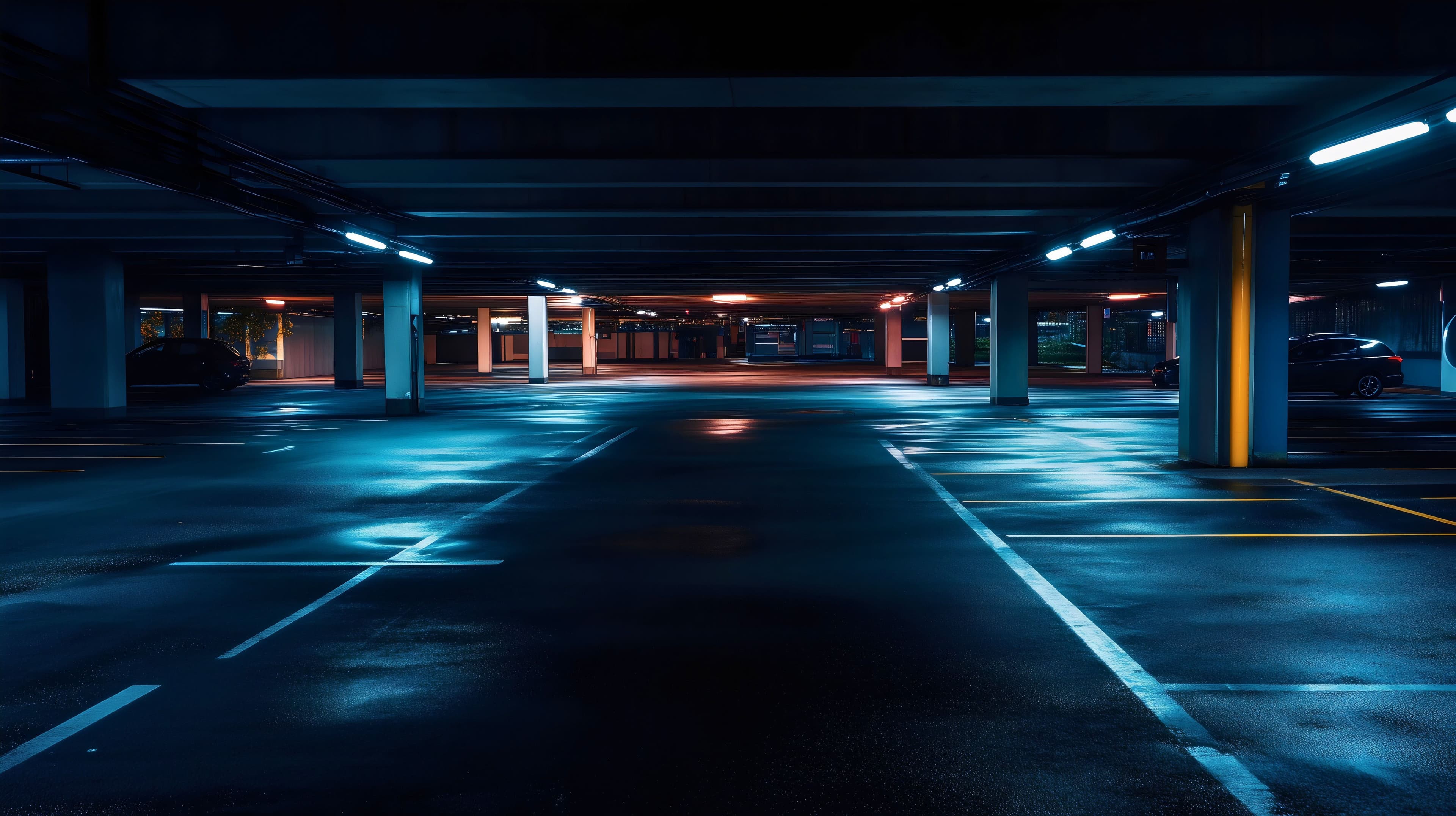
When Poor Lighting Leads to Serious Injuries: Understanding Premises Liability in Florida
Sometimes, the risk is not a broken step, a wet floor, or a visible hazard — it’s what you can’t see at all. A dimly lit parking lot. A dark stairwell. A hallway where shadows hide uneven surfaces or obstacles.
In Florida, poor lighting is a hidden but significant factor in many serious accidents. From slip and fall injuries to violent incidents in unsecured areas, inadequate lighting can turn otherwise ordinary spaces into dangerous environments.
What makes these cases especially troubling is that they are often entirely preventable. When property owners fail to provide proper lighting in areas where people are expected to walk, they may be putting visitors at unnecessary risk — and may be held legally responsible when injuries occur.
Why Lighting Is a Critical Safety Feature
Lighting is not just about visibility — it is about safety. Proper illumination allows people to identify hazards, navigate spaces safely, and react quickly to unexpected conditions.
When lighting is inadequate, even simple environments can become dangerous. A person may not see a step, a crack in the pavement, or debris in a walkway until it is too late.
Poor lighting can affect:
- Depth perception and balance
- Reaction time
- Awareness of surroundings
- Ability to identify hazards
In high-traffic areas, especially at night, proper lighting is one of the most basic and essential safety measures a property owner can provide.
Where Poor Lighting Accidents Commonly Happen
Inadequate lighting can create dangerous conditions in many types of properties. Some of the most common locations where these accidents occur include:
- Parking lots and parking garages
- Apartment complexes
- Hotels and resorts
- Stairwells and hallways
- Sidewalks and walkways
- Office buildings
- Retail stores and shopping centers
In a city like Orlando, where people are frequently out at night — whether for work, tourism, or entertainment — poorly lit areas can present serious risks.
How Poor Lighting Leads to Accidents
Many accidents caused by poor lighting are not immediately recognized as such. A fall may be blamed on clumsiness, or an incident may be dismissed as unavoidable. However, when visibility is compromised, the likelihood of injury increases significantly.
Common scenarios include:
- A person trips over an unseen step or uneven surface
- A visitor slips on a hazard that was not visible in low light
- Someone misses a change in elevation on a staircase
- A driver fails to see a pedestrian in a dark parking lot
In each of these situations, proper lighting could have prevented the accident entirely.
The Connection Between Poor Lighting and Crime
In addition to physical hazards, poor lighting can increase the risk of criminal activity. Dark or poorly lit areas can create opportunities for assaults, robberies, and other violent incidents.
These cases often fall under negligent security, a subset of premises liability.
Property owners may be expected to provide adequate lighting in areas where criminal activity is foreseeable, such as:
- Parking garages
- Apartment complexes
- Hotel entrances
- Nighttime business locations
When lighting is insufficient and a crime occurs, property owners may be held responsible for failing to take reasonable safety precautions.
Injuries Commonly Linked to Poor Lighting
Accidents caused by inadequate lighting can result in a wide range of injuries, some of which may be severe or long-lasting.
Victims may suffer:
- Traumatic brain injuries
- Spinal cord injuries
- Broken bones
- Severe bruising or soft tissue injuries
- Lacerations and cuts
- Emotional trauma after violent incidents
For older adults, a fall caused by poor lighting can be especially dangerous and may lead to long-term complications or loss of independence.
Property Owners’ Responsibilities in Florida
Under Florida premises liability law, property owners have a duty to maintain reasonably safe conditions for visitors. This responsibility includes ensuring that areas are adequately lit, especially where hazards may exist or where people are expected to walk.
Property owners may be considered negligent if they:
- Fail to install proper lighting
- Ignore burned-out or broken lights
- Do not inspect lighting conditions regularly
- Delay repairs after complaints
- Leave high-risk areas poorly illuminated
If an owner knew — or should have known — about unsafe lighting conditions and failed to correct them, liability may arise.
Evidence That Can Support a Poor Lighting Claim
Proving that poor lighting contributed to an accident often requires careful documentation. Because lighting conditions can change quickly, gathering evidence early is important.
Helpful evidence may include:
- Photographs or videos of the scene
- Surveillance footage
- Maintenance and inspection records
- Witness statements
- Reports of prior complaints about lighting
These details can help establish whether the property owner failed to maintain a safe environment.
The Financial and Emotional Impact on Victims
An accident caused by poor lighting can have lasting consequences. Victims often face more than just physical injuries — they may also experience financial strain and emotional distress.
Common challenges include:
- Medical expenses
- Lost income
- Ongoing rehabilitation
- Reduced mobility
- Anxiety or fear of similar environments
In cases involving violent incidents, the emotional impact can be especially significant.
Why These Cases Are Often Disputed
Property owners and insurance companies frequently argue that accidents caused by poor lighting are the victim’s fault. They may claim that:
- The hazard was obvious
- The victim was not paying attention
- The lighting was adequate
- The incident was unavoidable
Because of these defenses, building a strong case often requires detailed investigation and legal strategy.
How Moore Payne Helps Victims of Premises Liability
At Moore Payne, we understand that accidents caused by poor lighting can feel especially frustrating because they are so preventable. No one expects to be injured simply because they could not see where they were going.
Our team works to investigate the conditions that led to the accident, identify responsible parties, and pursue compensation for injured individuals throughout Orlando and across Florida. By gathering evidence and building strong cases, we help ensure that property owners are held accountable when safety is overlooked.
Taking Action After a Poor Lighting Accident
If you or a loved one has been injured due to inadequate lighting on a property in Florida, it is important to act quickly. Evidence can change, and early investigation may strengthen your case.
Moore Payne is committed to helping victims of premises liability accidents pursue justice and obtain the compensation they need to move forward.
 contact us






 Articles
Legal Insight.
Practical Guidance.
Moore Payne Law was intentionally built to handle complex, high-stakes injury cases. We limit our caseload to ensure focused strategy, direct attorney involvement, and preparation for trial from day one.
Understanding Nursing Home Negligence: Signs and Legal Remedies
Nursing homes are meant to provide a safe and caring environment for our loved ones, but unfortunately, negligence is an all-too-common issue in many facilities.
Moore Payne Law Files Florida Class Action Against Kidde and Amazon Over Smoke Alarm Safety Claims
Moore Payne Law, in conjunction with Normand PLLC and Turnbull Injury Law, has filed a class action lawsuit in Florida against Walter Kidde Portable Equipment, Inc. and Amazon.com, Inc. over ionization-only smoke alarms that allegedly failed to adequately warn consumers about their detection limitations.
Portable Charger Explosions in Florida: When Everyday Devices Cause Serious Burn Injuries
Portable chargers and power banks can become dangerous when defective batteries overheat or explode. Learn how these accidents happen in Florida and what legal options victims may have.
Escalator Accidents in Florida: When a Routine Ride Leads to Serious Injury
Escalator accidents can cause serious injuries when equipment is poorly maintained or unsafe conditions are ignored. Learn how these incidents happen in Florida and what legal options victims may have.
Defective Space Heaters in Florida: When Everyday Appliances Cause Serious Burn Injuries
Space heaters can become dangerous when defective parts or poor safety features lead to fires and burn injuries. Learn how these accidents happen in Florida and what legal options victims may have.