
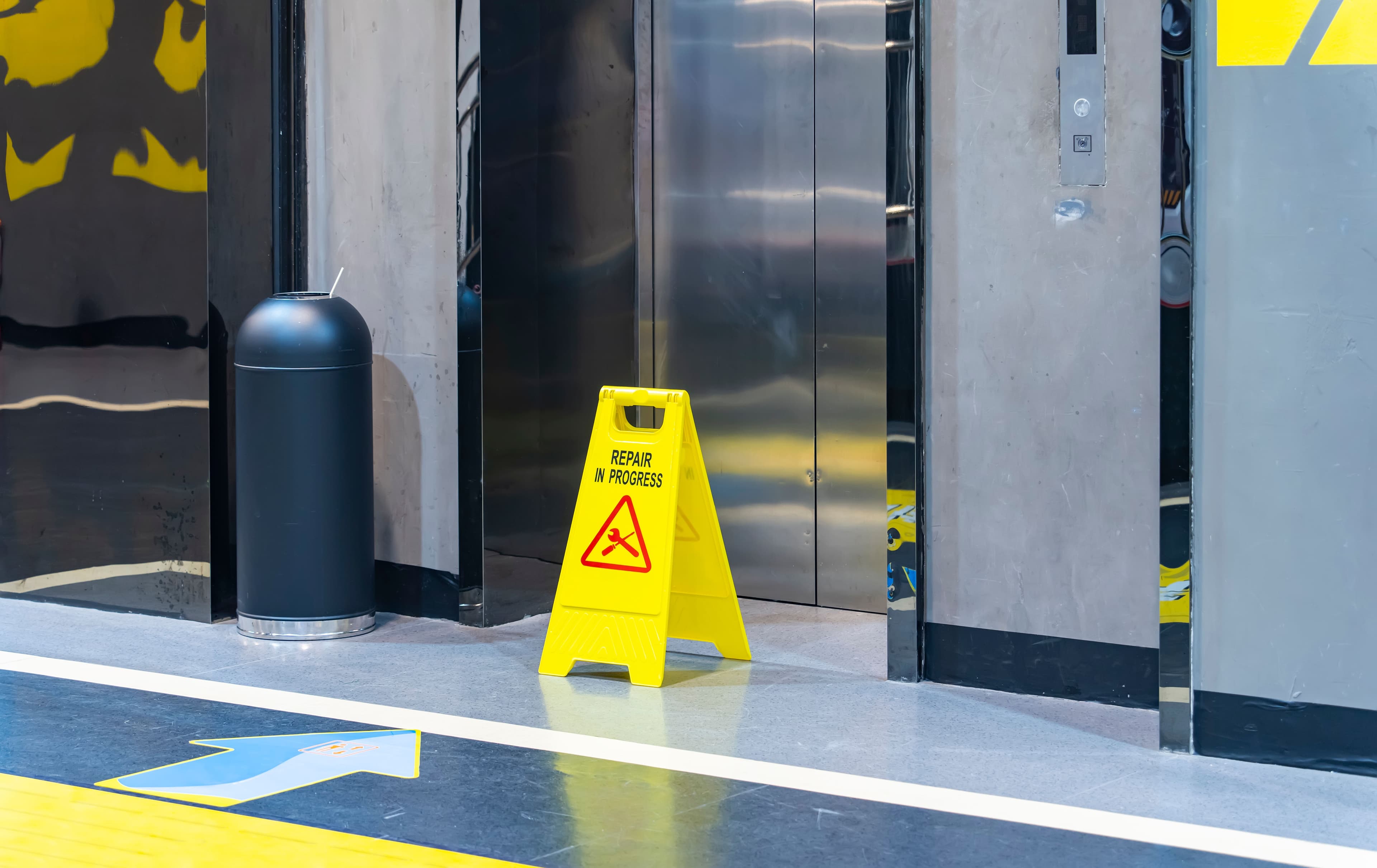
Elevator and Escalator Accidents in Florida: When Everyday Convenience Turns Into Serious Danger
Most people step into an elevator or onto an escalator without thinking twice. These systems are designed to make daily life easier — helping people move through office buildings, hotels, shopping centers, and parking garages quickly and efficiently.
But when something goes wrong, the consequences can be sudden and severe.
Elevator and escalator accidents are not as rare as many assume. In Florida, where tourism, high-rise buildings, and commercial properties are common — especially in areas like Orlando — these systems are heavily used every day. When they are not properly maintained or inspected, they can pose serious risks to the public.
What makes these accidents particularly concerning is that they are often entirely preventable.
How Elevator and Escalator Accidents Happen
Elevators and escalators are complex mechanical systems that require regular maintenance and inspection. When any part of the system fails — whether due to wear and tear, poor installation, or lack of upkeep — accidents can occur quickly.
Some of the most common causes include:
- Mechanical failure or malfunction
- Sudden stops or drops in elevators
- Misaligned elevator doors
- Escalator steps that collapse or jam
- Electrical issues
- Lack of routine inspections
- Improper maintenance or repairs
In many cases, these problems develop over time and could have been identified before causing harm.
Common Types of Elevator Accidents
Elevator-related incidents can take several forms, each presenting unique dangers. While some may seem minor at first, they can lead to serious injuries.
Examples include:
- Elevators that suddenly drop or jerk
- Doors closing too quickly on passengers
- Misleveling (when the elevator stops above or below floor level)
- Entrapment incidents where passengers are stuck inside
- Sudden mechanical failure during operation
Even a small misalignment can cause someone to trip and fall while entering or exiting.
Escalator Accidents and Hidden Risks
Escalators may seem less dangerous than elevators, but they present their own set of risks — especially in crowded public places like malls, airports, and entertainment venues.
Common escalator hazards include:
- Loose or broken steps
- Entrapment of clothing, shoes, or fingers
- Sudden stops that cause falls
- Handrail malfunctions
- Overcrowding without proper supervision
Children and elderly individuals are particularly vulnerable on escalators, where balance and reaction time are critical.
Injuries Caused by Elevator and Escalator Accidents
Because these accidents often involve sudden movement or mechanical failure, injuries can be severe.
Victims may suffer:
- Traumatic brain injuries
- Spinal cord injuries
- Broken bones
- Severe lacerations
- Crush injuries
- Amputations in extreme cases
In crowded environments, a single malfunction can lead to multiple people being injured at once.
Where These Accidents Commonly Occur
Elevator and escalator accidents can happen in many types of properties, including:
- Hotels and resorts
- Shopping centers and malls
- Office buildings
- Hospitals
- Airports
- Parking garages
- Apartment complexes
In high-traffic areas like Orlando, the constant use of these systems increases the importance of proper maintenance and safety compliance.
Who May Be Held Responsible?
One of the most complex aspects of these cases is determining who is responsible. Liability may involve multiple parties, depending on the circumstances.
Responsible parties may include:
- Property owners
- Property management companies
- Maintenance and repair contractors
- Elevator or escalator manufacturers
- Inspection companies
Each party may have a role in ensuring the equipment is safe and functioning properly.
Property Owners’ Duty to Maintain Safe Conditions
Under Florida premises liability law, property owners are responsible for maintaining reasonably safe conditions for visitors. This includes ensuring that elevators and escalators are:
- Regularly inspected
- Properly maintained
- Repaired promptly when issues arise
- Compliant with safety regulations
When owners ignore maintenance issues or delay repairs, they may be held liable if someone is injured.
The Importance of Maintenance and Inspections
Routine maintenance is one of the most critical factors in preventing elevator and escalator accidents. These systems require ongoing attention to ensure they remain safe.
Negligence may involve:
- Skipping scheduled inspections
- Using unqualified repair personnel
- Ignoring warning signs of malfunction
- Failing to shut down unsafe equipment
Many accidents occur after warning signs were already present but not addressed.
The Financial and Emotional Impact on Victims
Injuries from elevator and escalator accidents can result in significant financial strain. Victims may face:
- Emergency medical care
- Surgery and rehabilitation
- Lost wages
- Long-term disability
- Emotional distress
For individuals who rely on mobility, these injuries can affect independence and quality of life.
Why These Cases Can Be Complex
Elevator and escalator accident claims often involve technical evidence and multiple parties. Insurance companies and property owners may argue that:
- The equipment was properly maintained
- The victim was not paying attention
- The accident was unavoidable
Because of these defenses, detailed investigation and expert analysis are often necessary.
How Moore Payne Helps Injury Victims
At Moore Payne, we understand that accidents involving elevators and escalators can be unexpected and deeply disruptive. Victims often have no warning before the incident occurs, making these cases particularly frustrating.
Our legal team works to investigate the cause of the accident, identify responsible parties, and pursue compensation for injured individuals throughout Orlando and across Florida. By examining maintenance records, consulting experts, and building strong cases, we aim to protect our clients’ rights.
Taking Action After an Elevator or Escalator Accident
If you or a loved one has been injured in an elevator or escalator accident in Florida, it is important to act quickly. Evidence such as maintenance logs and surveillance footage may be critical in determining what went wrong.
Moore Payne is committed to helping victims of premises liability accidents pursue justice and obtain the compensation they need to move forward.
 contact us






 Articles
Legal Insight.
Practical Guidance.
Moore Payne Law was intentionally built to handle complex, high-stakes injury cases. We limit our caseload to ensure focused strategy, direct attorney involvement, and preparation for trial from day one.

Understanding Nursing Home Negligence: Signs and Legal Remedies
Nursing homes are meant to provide a safe and caring environment for our loved ones, but unfortunately, negligence is an all-too-common issue in many facilities.
Moore Payne Law Files Florida Class Action Against Kidde and Amazon Over Smoke Alarm Safety Claims
Moore Payne Law, in conjunction with Normand PLLC and Turnbull Injury Law, has filed a class action lawsuit in Florida against Walter Kidde Portable Equipment, Inc. and Amazon.com, Inc. over ionization-only smoke alarms that allegedly failed to adequately warn consumers about their detection limitations.
Portable Charger Explosions in Florida: When Everyday Devices Cause Serious Burn Injuries
Portable chargers and power banks can become dangerous when defective batteries overheat or explode. Learn how these accidents happen in Florida and what legal options victims may have.
Escalator Accidents in Florida: When a Routine Ride Leads to Serious Injury
Escalator accidents can cause serious injuries when equipment is poorly maintained or unsafe conditions are ignored. Learn how these incidents happen in Florida and what legal options victims may have.
Defective Space Heaters in Florida: When Everyday Appliances Cause Serious Burn Injuries
Space heaters can become dangerous when defective parts or poor safety features lead to fires and burn injuries. Learn how these accidents happen in Florida and what legal options victims may have.