
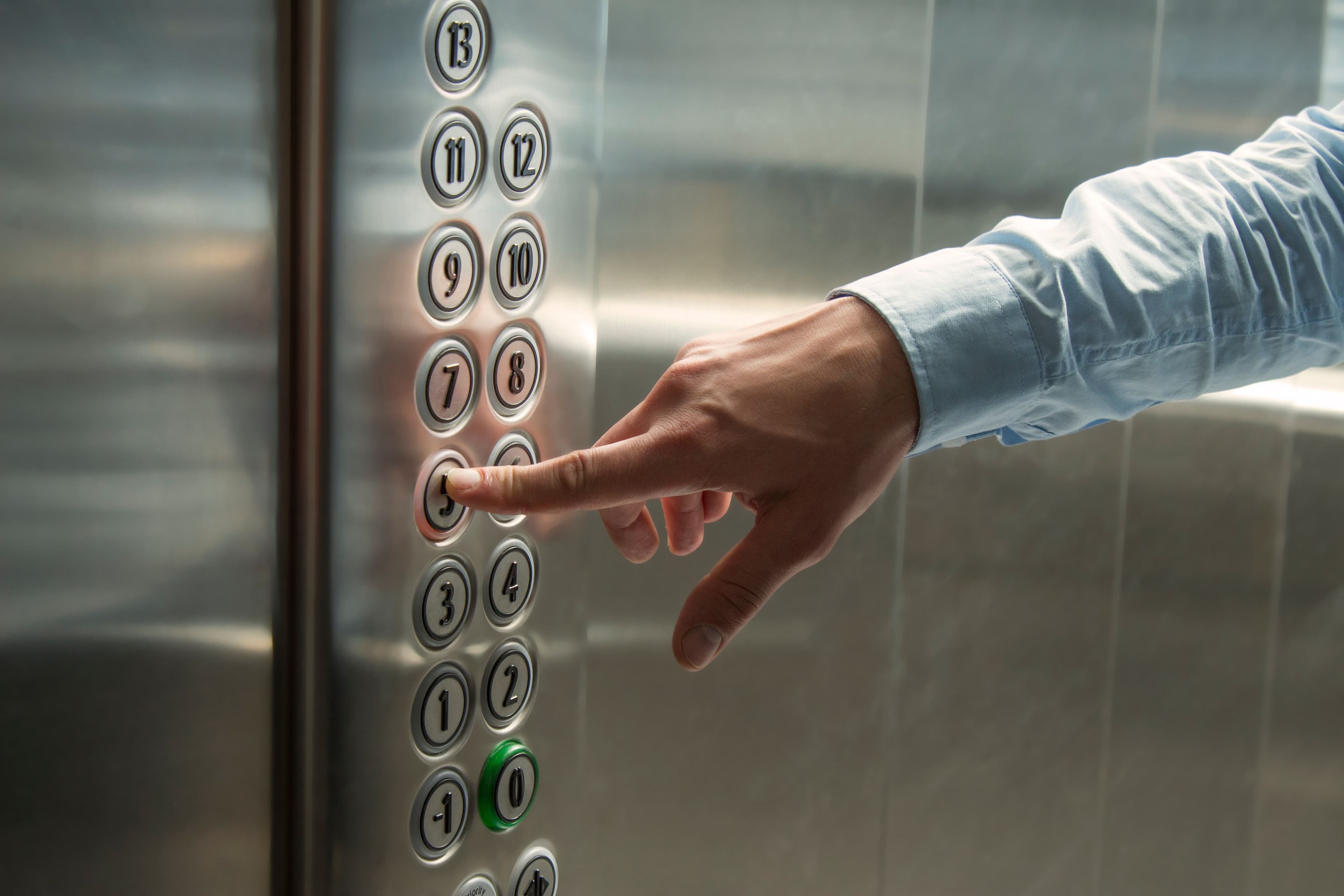
Elevator Entrapment Accidents in Florida: When Being Stuck Becomes a Serious Risk
Most people don’t think twice before stepping into an elevator.
It’s part of everyday life — in office buildings, hotels, apartments, hospitals, and parking garages. Elevators are designed to be reliable, safe, and routine. You press a button, the doors close, and within seconds, you’re on your way.
But when something goes wrong, that routine can quickly turn into a stressful — and sometimes dangerous — situation.
An elevator suddenly stops between floors. The lights flicker. The air feels limited. Time passes with no clear communication. For some, it’s just an inconvenience. For others, especially when conditions worsen, it can become a serious safety concern.
In Florida, elevator entrapment incidents are more common than many realize — and in some cases, they are linked to preventable maintenance failures.
What Is Elevator Entrapment?
Elevator entrapment occurs when passengers become stuck inside an elevator due to a malfunction, power failure, or mechanical issue. While many situations are resolved quickly, others can last for extended periods — increasing both physical and emotional risk.
Entrapment can happen when:
- The elevator stops unexpectedly between floors
- Doors fail to open properly
- Electrical systems malfunction
- Mechanical components fail during operation
In some cases, occupants may be trapped for minutes. In others, the situation can last much longer.
Why Being Trapped in an Elevator Can Be Dangerous
At first glance, being stuck in an elevator may seem like a minor issue. But the reality can be very different depending on the circumstances.
Several factors can turn entrapment into a serious concern:
- Lack of ventilation, especially in older systems
- Extreme heat, particularly in Florida’s climate
- Medical emergencies, especially for vulnerable individuals
- Panic or claustrophobia, which can escalate quickly
- Delayed response times from building staff
For individuals with health conditions, even a short period of confinement can create significant risk.
Common Causes of Elevator Entrapment
Elevators are complex systems that require regular maintenance. When that maintenance is neglected or delayed, problems can develop over time.
Some of the most common causes include:
- Poor or infrequent maintenance
- Mechanical wear and tear
- Faulty wiring or electrical issues
- Outdated equipment
- Improper repairs
- Failure to address known problems
In many cases, warning signs exist before a major incident occurs — they are simply not addressed in time.
Where These Incidents Commonly Occur
Elevator entrapment can happen in a wide range of buildings, particularly those with heavy daily use.
Common locations include:
- Apartment complexes
- Hotels and resorts
- Office buildings
- Hospitals and healthcare facilities
- Parking garages
- Shopping centers
In busy areas like Orlando, where elevators operate continuously, proper maintenance becomes even more critical.
Who Is Most at Risk?
While anyone can be affected by elevator entrapment, certain individuals may face greater risks.
This includes:
- Elderly individuals
- People with medical conditions
- Children
- Individuals with anxiety or claustrophobia
- People trapped alone without immediate assistance
For these individuals, what might seem like a minor inconvenience can quickly become overwhelming.
Injuries and Effects of Elevator Entrapment
Not all elevator incidents result in physical injury, but many can still have lasting effects.
Victims may experience:
- Dehydration or heat-related symptoms
- Breathing difficulties in poorly ventilated spaces
- Anxiety or panic attacks
- Injuries during attempts to exit the elevator
- Long-term emotional distress
In more serious cases, individuals may attempt to escape, leading to falls or other injuries.
Property Owners’ Responsibility
Under Florida premises liability law, property owners and managers are responsible for maintaining safe conditions, including elevator systems.
This responsibility typically includes:
- Regular inspections
- Routine maintenance
- Prompt repairs when issues arise
- Ensuring emergency systems are functional
- Responding quickly to entrapment situations
When these responsibilities are ignored, the risk of incidents increases.
When Does Elevator Entrapment Become Negligence?
Not every elevator malfunction leads to a legal claim. However, negligence may be involved when the situation could have been prevented.
A claim may arise if:
- The elevator had known issues that were not repaired
- Maintenance was skipped or delayed
- Safety systems failed
- The response to the incident was unreasonably slow
- The condition directly caused harm
These cases often come down to whether proper care was taken to prevent the incident.
The Impact on Victims
Being trapped in an elevator can be more than just a temporary inconvenience. For many, it becomes a stressful and unsettling experience that lingers long after the incident ends.
Victims may face:
- Emotional distress or anxiety
- Medical concerns related to the incident
- Disruption to daily life
- Fear of using elevators in the future
Even when physical injuries are limited, the psychological impact can be significant.
Why These Cases Are Often Disputed
Property owners and insurers may attempt to minimize responsibility by arguing that:
- The malfunction was unavoidable
- Maintenance was properly performed
- The situation was resolved quickly
- No serious harm occurred
Because of these defenses, proving negligence often requires detailed investigation.
How Moore Payne Helps Elevator Accident Victims
At Moore Payne, we understand that incidents like elevator entrapment can feel unexpected and confusing. What seems like a simple malfunction can quickly raise serious safety concerns.
Our team works to investigate maintenance records, identify responsible parties, and pursue compensation for individuals affected by unsafe conditions throughout Orlando and across Florida.
Taking Action After an Elevator Entrapment Incident
If you or a loved one has been trapped in an elevator in Florida and experienced harm as a result, it is important to take the situation seriously. What may appear minor at first can have lasting effects.
Moore Payne is committed to helping victims of premises liability incidents pursue justice and obtain the compensation they need to move forward.
 contact us







 Articles
Legal Insight.
Practical Guidance.
Moore Payne Law was intentionally built to handle complex, high-stakes injury cases. We limit our caseload to ensure focused strategy, direct attorney involvement, and preparation for trial from day one.

Understanding Nursing Home Negligence: Signs and Legal Remedies
Nursing homes are meant to provide a safe and caring environment for our loved ones, but unfortunately, negligence is an all-too-common issue in many facilities.
Moore Payne Law Files Florida Class Action Against Kidde and Amazon Over Smoke Alarm Safety Claims
Moore Payne Law, in conjunction with Normand PLLC and Turnbull Injury Law, has filed a class action lawsuit in Florida against Walter Kidde Portable Equipment, Inc. and Amazon.com, Inc. over ionization-only smoke alarms that allegedly failed to adequately warn consumers about their detection limitations.
Portable Charger Explosions in Florida: When Everyday Devices Cause Serious Burn Injuries
Portable chargers and power banks can become dangerous when defective batteries overheat or explode. Learn how these accidents happen in Florida and what legal options victims may have.
Escalator Accidents in Florida: When a Routine Ride Leads to Serious Injury
Escalator accidents can cause serious injuries when equipment is poorly maintained or unsafe conditions are ignored. Learn how these incidents happen in Florida and what legal options victims may have.
Defective Space Heaters in Florida: When Everyday Appliances Cause Serious Burn Injuries
Space heaters can become dangerous when defective parts or poor safety features lead to fires and burn injuries. Learn how these accidents happen in Florida and what legal options victims may have.