
The Silent Impact of Traumatic Brain Injuries: When an “Ordinary” Accident Changes Everything
Not all serious injuries are immediately visible. In fact, some of the most life-altering injuries occur silently, without dramatic external signs. Traumatic brain injuries (TBIs) are among the most misunderstood and underestimated injuries following accidents.
A simple fall. A car crash. A blow to the head during a routine day.
What may seem like a minor incident can lead to long-term cognitive, emotional, and physical challenges that affect every aspect of a person’s life. In Florida, traumatic brain injuries are commonly linked to preventable accidents caused by negligence — and victims often do not realize the severity of their condition until symptoms begin to worsen.
What Is a Traumatic Brain Injury?
A traumatic brain injury occurs when a sudden impact or jolt disrupts normal brain function. TBIs range from mild concussions to severe brain damage.
There are generally two main categories:
- Closed head injuries, where the skull remains intact but the brain is injured internally
- Penetrating injuries, where an object pierces the skull and damages brain tissue
Even a so-called “mild” concussion can lead to lasting complications if not properly diagnosed and treated.
Common Causes of Brain Injuries in Florida
Traumatic brain injuries often result from accidents that could have been prevented. Some of the most common causes include:
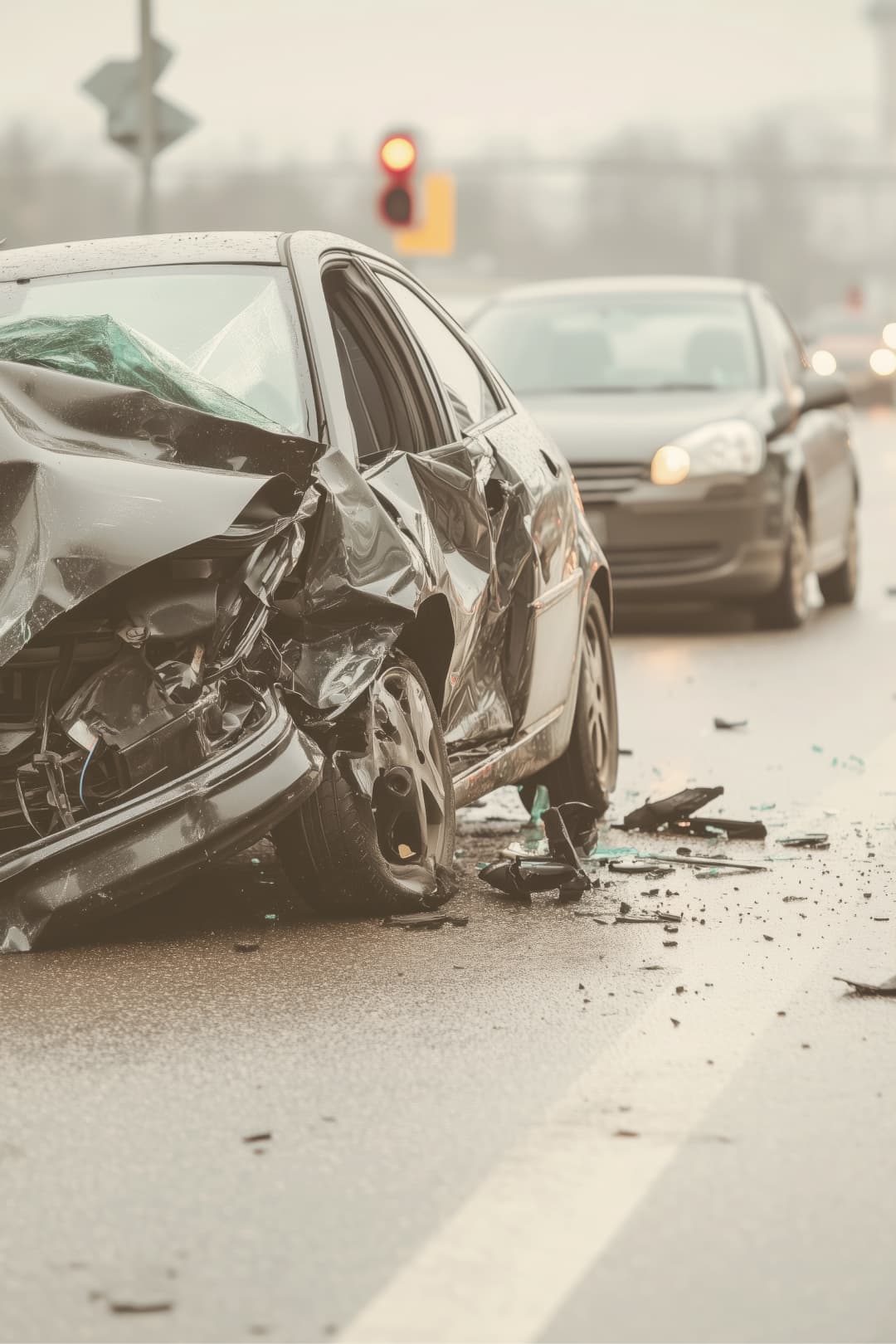
- Auto and trucking accidents
- Slip and fall accidents on unsafe property
- Motorcycle or bicycle crashes
- Workplace accidents
- Sports-related injuries
- Assaults due to negligent security
In busy areas like Orlando, where traffic congestion and tourism are constant, the risk of head injuries increases significantly.
Symptoms That Should Never Be Ignored
One of the most dangerous aspects of brain injuries is that symptoms may not appear immediately. In some cases, individuals walk away from an accident believing they are fine — only to experience serious symptoms hours or days later.
Warning signs of a TBI may include:
- Persistent headaches
- Dizziness or balance issues
- Nausea or vomiting
- Memory problems
- Difficulty concentrating
- Mood changes or irritability
- Sensitivity to light or noise
- Blurred vision
- Loss of consciousness
If any of these symptoms occur after an accident, medical attention should be sought immediately.
The Long-Term Effects of Traumatic Brain Injuries
Brain injuries can permanently alter a person’s cognitive and emotional functioning. In moderate to severe cases, victims may experience:
- Personality changes
- Depression or anxiety
- Speech difficulties
- Impaired decision-making
- Reduced motor skills
- Chronic headaches
- Increased risk of future neurological disorders
For families, the emotional toll can be profound. Loved ones may feel as though the injured person is no longer the same.
Spinal Cord Injuries and Paralysis
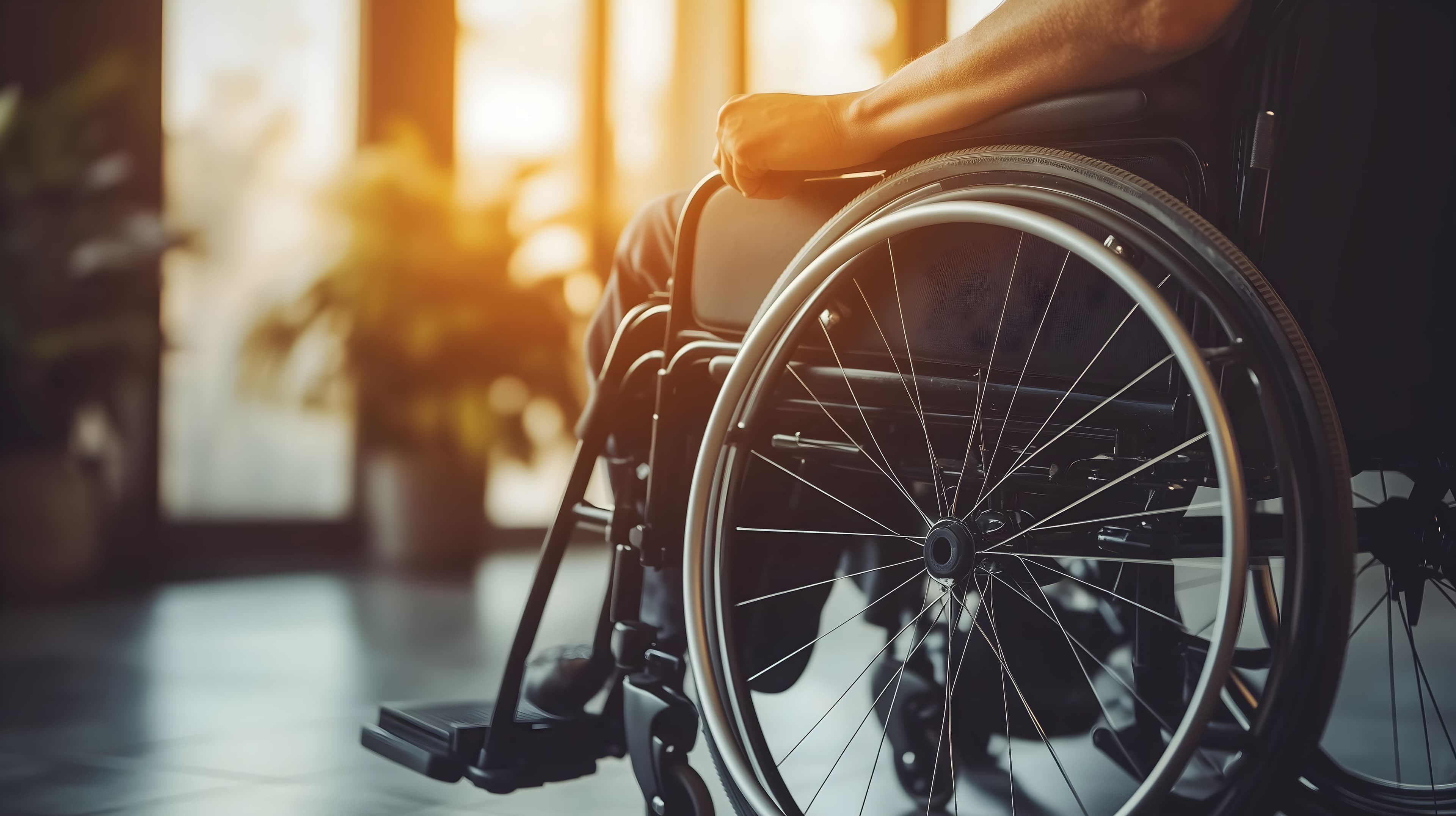
Many accidents that cause traumatic brain injuries also result in spinal cord damage, which can lead to partial or complete paralysis.
Spinal injuries may cause:
- Loss of movement
- Loss of sensation
- Chronic nerve pain
- Loss of bladder or bowel control
- Permanent disability
These injuries often require lifelong medical care and significant lifestyle adjustments.
Financial Consequences of Brain and Spine Injuries
The financial burden of a serious brain or spinal injury can be overwhelming. Victims may face:
- Emergency medical treatment
- Neurosurgery
- Rehabilitation and physical therapy
- Assistive devices
- Home modifications
- Long-term caregiving
- Lost wages and reduced earning capacity
When negligence caused the accident, the responsible party may be legally obligated to compensate the victim for these losses.
Proving Liability in Brain Injury Cases
Brain injury cases often require substantial evidence and expert testimony. Establishing liability may involve:
- Accident reconstruction specialists
- Medical experts
- Neurologists
- Life-care planners
- Economic analysts
Whether the injury resulted from a negligent driver, unsafe property condition, defective product, or other careless act, proving fault is essential to securing fair compensation.
Why Insurance Companies Minimize Brain Injuries
Insurance companies often attempt to downplay traumatic brain injuries, especially when imaging scans appear normal. They may argue that:
- Symptoms are exaggerated
- The injury is minor
- Pre-existing conditions are to blame
- The victim can return to work quickly
However, TBIs are complex and not always visible on standard tests. Proper legal advocacy ensures these injuries are taken seriously.
Compensation Available for TBI Victims
Victims of traumatic brain injuries in Florida may be entitled to compensation for:
- Medical expenses (current and future)
- Rehabilitation and therapy
- Lost income
- Reduced earning capacity
- Pain and suffering
- Emotional distress
- Loss of enjoyment of life
In severe cases, damages may reflect lifelong care needs.
How Moore Payne Supports Brain Injury Victims
At Moore Payne, we understand that brain and spine injuries change lives in ways that go far beyond physical harm. These cases require careful investigation, medical insight, and strong advocacy.
We help injured clients by:
- Conducting thorough accident investigations
- Consulting neurological and medical experts
- Calculating long-term financial impact
- Challenging insurance company tactics
- Fighting for full and fair compensation
Our focus is on helping victims and families regain stability after devastating injuries.
Taking Action After a Head or Spinal Injury
If you or a loved one suffered a head or spinal injury after an accident in Orlando or anywhere in Florida, early action can make a difference. Brain injuries are serious, and legal deadlines apply.
Moore Payne is committed to standing with brain and spine injury victims, helping them pursue accountability and the resources needed for long-term recovery.
 contact us







 Articles
Legal Insight.
Practical Guidance.
Moore Payne Law was intentionally built to handle complex, high-stakes injury cases. We limit our caseload to ensure focused strategy, direct attorney involvement, and preparation for trial from day one.

Understanding Nursing Home Negligence: Signs and Legal Remedies
Nursing homes are meant to provide a safe and caring environment for our loved ones, but unfortunately, negligence is an all-too-common issue in many facilities.
Moore Payne Law Files Florida Class Action Against Kidde and Amazon Over Smoke Alarm Safety Claims
Moore Payne Law, in conjunction with Normand PLLC and Turnbull Injury Law, has filed a class action lawsuit in Florida against Walter Kidde Portable Equipment, Inc. and Amazon.com, Inc. over ionization-only smoke alarms that allegedly failed to adequately warn consumers about their detection limitations.
Portable Charger Explosions in Florida: When Everyday Devices Cause Serious Burn Injuries
Portable chargers and power banks can become dangerous when defective batteries overheat or explode. Learn how these accidents happen in Florida and what legal options victims may have.
Escalator Accidents in Florida: When a Routine Ride Leads to Serious Injury
Escalator accidents can cause serious injuries when equipment is poorly maintained or unsafe conditions are ignored. Learn how these incidents happen in Florida and what legal options victims may have.
Defective Space Heaters in Florida: When Everyday Appliances Cause Serious Burn Injuries
Space heaters can become dangerous when defective parts or poor safety features lead to fires and burn injuries. Learn how these accidents happen in Florida and what legal options victims may have.